
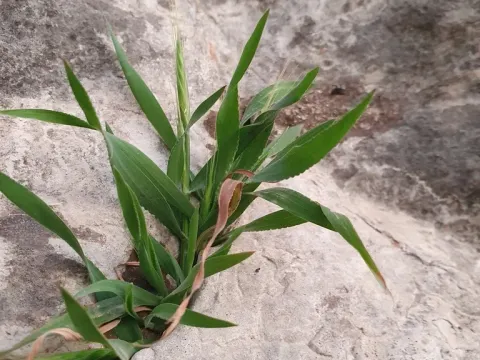
Brachypodium
Brachypodium
Brachypodium is a genus of perennial grasses belonging to the Poaceae family. These plants are known for their resilience and are widely distributed across temperate regions of the Northern Hemisphere.
What the section contains


Brachypodium
The culture thrives in diverse environmental conditions, from open meadows to forest edges. It exhibits excellent cold tolerance, allowing it to survive harsh winter conditions and resume growth early in the spring.
In terms of soil requirements, Brachypodium prefers well-drained, fertile soils with a balanced pH level. It is relatively drought-tolerant once established, thanks to its extensive and deep root system.
Agronomic management involves selecting fields with adequate moisture levels. Although it is not extremely demanding, proper site preparation ensures faster establishment and better long-term yield consistency.
The primary use of Brachypodium is in forage production, where it provides high-quality biomass for livestock. It is often included in seed mixtures to enhance the diversity and nutritional value of pastures.
The best time for sowing Brachypodium is in early spring when the soil temperature begins to rise. This timing maximizes the use of natural precipitation for seed germination and seedling vigor.
Sowing depth should be shallow, ideally between 1 and 2 centimeters. Because the seeds are small, they require a firm seedbed to ensure consistent moisture uptake during the critical emergence phase.
Typical seeding rates vary depending on the specific cultivar and the intended use of the crop. A standard density is usually set to achieve rapid ground cover and suppress weed growth in the initial months.
Equipment such as grain drills calibrated for small seeds is recommended to ensure uniform distribution. Over-seeding should be avoided to prevent excessive competition between seedlings.
After seeding, light rolling is beneficial to improve soil-to-seed contact. This practice significantly increases the percentage of successful establishment, especially in drier climates.
Brachypodium can be susceptible to fungal diseases such as rust and leaf spot, especially under conditions of high humidity or poor field drainage. Managing water levels is crucial to disease control.
Aphids are the most common insect pests that affect this grass. They can weaken the plants by sucking nutrients from the leaves and stalks, sometimes leading to stunted growth.
Proper harvest management, including timely mowing, helps in breaking the pest life cycle. By removing the foliage, the population of insects residing in the canopy is significantly reduced.
Nutrient imbalances, particularly high nitrogen levels without sufficient potassium, can make the grass more susceptible to lodging and secondary infections during the active growth period.
- Implement integrated pest management.
- Maintain proper plant spacing.
- Ensure balanced fertilization.
- Monitor crops frequently for signs of stress.