
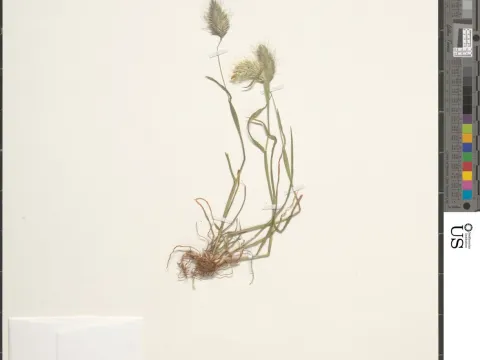
Bristly foxtail
Alopecurus setarioides
Bristly foxtail (Alopecurus setarioides) is a member of the Poaceae family, widely recognized for its contribution to pasture productivity. It is a perennial grass that thrives in regions characterized by specific moisture regimes and temperate climates.
What the section contains
Bristly foxtail
The native habitat of this species is primarily associated with meadows and riverbanks, where it integrates well into diverse plant communities. Its ability to withstand seasonal soil saturation makes it a valuable species for reclaiming damp agricultural lands.
Botanically, the plant is distinguished by its fibrous root system and slender, upright stems. The inflorescence is a dense, spike-like panicle, providing high-quality biomass that is highly palatable to various types of livestock during the growing season.
Regarding soil requirements, the crop prefers fertile, loamy substrates with adequate drainage. While it thrives in moist conditions, it does not tolerate permanent flooding or excessively acidic soils, which may limit its growth potential and nutritional density.
Agronomic management involves periodic cutting or controlled grazing to stimulate regrowth. Fertilization, particularly with phosphorus and potassium, helps in maintaining stand density and overall biomass production over several years of productive use.
The main threats to the health of bristly foxtail crops include fungal infections such as rusts and powdery mildew. These diseases tend to proliferate during warm, humid weather, causing yellowing and premature drying of the foliage.
Insects, particularly cereal leaf beetles and aphids, are known to feed on the tender parts of the plant. Significant infestations can weaken the grass stand, leading to reduced recovery rates after the harvest or grazing cycle.
Root rot remains a concern if the soil remains waterlogged for extended periods. Implementing proper field leveling and drainage systems is essential to maintain the vitality of the crop throughout its lifespan in the field.
Weed competition is another critical factor. As a perennial crop, it requires initial protection during the establishment phase to prevent invasion by faster-growing, aggressive annual weeds that compete for sunlight and soil nutrients.
Regular monitoring of the pasture health is recommended. If signs of pest or disease outbreaks are detected, early intervention via cultural practices or approved biological treatments is vital to ensure long-term sustainability of the forage stand.