
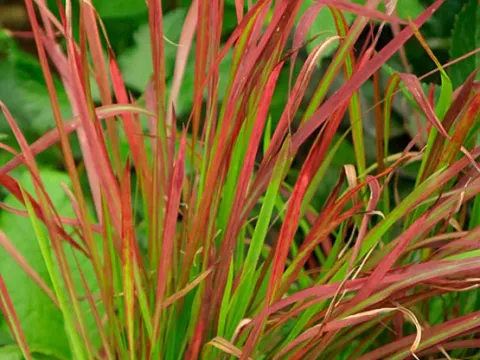
Imperata conferta
Imperata conferta
Imperata conferta is a perennial grass species belonging to the Poaceae family. It is a robust plant characterized by its aggressive rhizome system, which allows it to thrive in diverse tropical environments throughout Southeast Asia and surrounding regions.
What the section contains
Imperata conferta
The plant is distinguished by its narrow, stiff leaves and plumose panicles that appear during the reproductive stage. It is widely recognized as a pioneering species capable of colonizing disturbed lands, making it a critical component of local ecosystems and soil restoration projects.
Regarding soil requirements, Imperata conferta is relatively adaptable to nutrient-poor substrates, including acidic and sandy soils. However, it requires a well-drained environment to ensure proper rhizome health and to prevent the development of root rot diseases caused by waterlogging.
The climatic preferences include high humidity and temperatures typically between 25°C and 35°C. It is highly sensitive to frost, which limits its primary distribution and potential cultivation zones to tropical and subtropical climates where year-round growth is feasible.
From an agricultural standpoint, it serves as a valuable resource for preventing soil erosion on slopes. Its rapid biomass production also presents opportunities for exploring its use as a sustainable source for biofuel production and raw fiber for construction materials.
The primary threats to the health of Imperata conferta involve fungal infections, particularly leaf rust and spot diseases. These pathogens typically emerge when high moisture levels coincide with poor air circulation within the dense stands of the plant.
Insects, including various stem borers and root-feeding larvae, represent the most common pests. Infestations can lead to significant stunting of growth and may eventually kill the plants if the infestation density exceeds the natural tolerance threshold of the species.
Effective management includes regular maintenance, such as controlled burning or systematic mowing, which rejuvenates the plant and helps remove infected biomass. This practice effectively reduces the overwintering populations of pests and pathogens.
Integrated pest management strategies are advised, focusing on biological control and environmental monitoring rather than heavy chemical usage. Maintaining soil vitality through appropriate organic amendments can also bolster the plant's natural systemic resistance.
Given the plant's aggressive growth habits, growers should also monitor its spread to ensure it does not become an invasive threat to adjacent agricultural fields, as its rhizomes are extremely difficult to eradicate once established.