
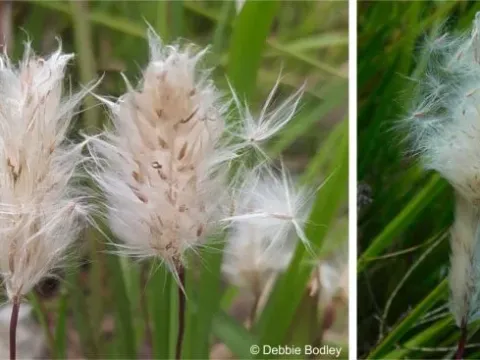
Imperata contracta
Imperata contracta
Imperata contracta is a perennial herbaceous plant belonging to the Poaceae family. Unlike its relative, the cogon grass (Imperata cylindrica), this species is distinguished by its unique inflorescence morphology and specific rhizomatous growth patterns.
What the section contains
Imperata contracta
The species originates from Central and South America, where it has adapted to humid tropical and subtropical environments. It favors well-drained but sufficiently moist soils and is frequently found in open areas and disturbed land sites.
For optimal development, Imperata contracta requires significant levels of solar radiation. While it can withstand temporary drought, the most active vegetation phase is observed under conditions of stable temperatures and lack of prolonged frost.
Regarding soil conditions, the culture displays high plasticity, though it thrives best on light loams with a neutral to slightly acidic pH level. It does not tolerate waterlogging; therefore, effective drainage is essential when cultivating this species.
Agronomic practices must include careful management of its spreading rhizomes. Given its aggressive growth habit, farmers often implement regular thinning or physical root barriers to prevent the plant from encroaching on adjacent land areas.
The agricultural use of Imperata contracta is primarily centered on its biomass production. In its native regions, it is valued as a source of raw material for mulching and for stabilizing soil surfaces against erosion.
In certain agricultural practices, the plant serves as a cover crop. Due to its dense root mat, it effectively protects the soil structure from mechanical damage during heavy rains, preventing the leaching of vital nutrients.
The quantity of biomass harvested depends on cutting frequency and mineral nutrient availability. Under optimal conditions, the culture can provide multiple harvests per season, ensuring a steady supply of dry matter for various technical applications.
Despite its high productivity, the forage value of Imperata contracta is considered moderate. While young shoots may be palatable, the leaves accumulate silica as they mature, leading to increased toughness which limits its use in livestock feeding.
A promising research direction involves utilizing Imperata contracta as a feedstock for bioenergy production. Studies suggest that its rapid biomass accumulation makes it a potential renewable source of cellulose.
Like most grass species, Imperata contracta is susceptible to fungal infections during periods of high humidity. Rust diseases affecting the leaf blades are the most common issue, potentially reducing overall yield and plant vigor.
Common pests include various leaf-eating insects. While these are usually kept in check within natural ecosystems, their populations can spike in monoculture settings, requiring monitoring and localized intervention.
Effective disease management relies on preventative measures, such as clearing fields of dead plant debris. This simple action significantly reduces the risk of pathogens surviving the winter in the rhizomatous zone and accumulated mulch.
Protecting young seedlings from weed competition is another vital aspect of initial establishment. Although the plant is vigorous, it requires support during its early growth stages to outcompete invasive weeds.
The use of integrated pest management (IPM) strategies is recommended to minimize chemical reliance. By promoting biological controls and maintaining soil health, growers can sustain healthy stands of Imperata contracta for long-term production.