
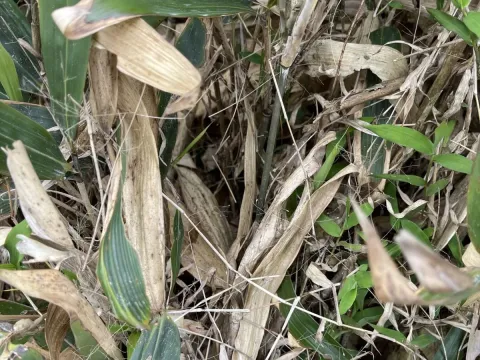
Indocalamus
Indocalamus Nakai
Indocalamus is a genus of evergreen bamboo belonging to the Poaceae family. Propagation for agricultural and decorative purposes is performed vegetatively, usually by dividing the rhizomes or mature clumps in early spring.
What the section contains
Indocalamus
The ideal planting time is early spring when the soil has warmed sufficiently, allowing the root system to establish itself before the peak of the growing season. Early planting is crucial for successful establishment.
This crop thrives in partial shade. While some species are adaptable, excessive direct sunlight during midday can scorch the broad, lush leaves, negatively impacting the plant's aesthetic value.
Spacing requirements vary based on the intended use. For living fences or barriers, plants are typically spaced 50 to 70 centimeters apart, allowing sufficient room for the rhizomatous root system to expand.
Initial post-planting care includes thorough watering to settle the soil around the roots. Consistent moisture management is essential in the first few weeks after planting to ensure the survival of young sprouts.
Indocalamus prefers fertile, well-drained loamy soils with a neutral to slightly acidic pH. Proper drainage is vital, as these plants are highly sensitive to waterlogged conditions, which can lead to root decay.
The plant has high water requirements, especially during dry summer months. Because of their large leaf area, the plants transpire rapidly, requiring consistent irrigation to maintain vigor and prevent leaf curling.
Nitrogen-rich fertilizers should be applied at the beginning of the growth cycle to stimulate foliage production. In late summer, potassium-based fertilizers help harden the stems and improve winter hardiness.
Shelter from strong, drying winds is important, as wind exposure can desiccate the foliage, particularly in winter. In colder climates, protecting the root zone with organic mulch helps maintain soil temperatures.
Regular maintenance includes annual pruning of dead, damaged, or aging culms. This practice encourages the growth of new, vigorous stems and ensures the plant remains tidy and healthy throughout the season.
Indocalamus is generally resilient, but high humidity and poor airflow can predispose the plants to fungal diseases like leaf spot or rust. These pathogens can significantly diminish the quality of the foliage.
Common pests include aphids and spider mites, which feed on the undersides of leaves. These pests thrive in dry environments and can cause visible yellowing and leaf distortion if left untreated.
Pest management relies on early detection and the use of appropriate insecticidal soaps or systemic treatments. Regularly washing the foliage with water can also help dislodge mites and aphids in the early stages.
Fungal issues are best managed by ensuring proper plant spacing and airflow. Removing infected leaf material and applying copper-based fungicides when necessary will help contain the spread of disease.
Root health is the foundation of plant resilience. By strictly managing irrigation and preventing standing water, the risk of developing soil-borne pathogens and root rot is significantly minimized.