
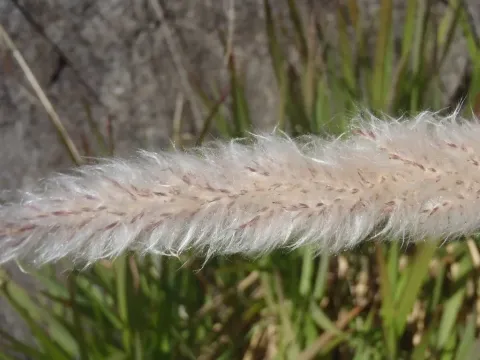
Imperata brevifolia
Imperata brevifolia
Imperata brevifolia, commonly known as California satintail, is a perennial grass species within the Poaceae family. It is recognized for its extensive rhizomatous root system, which allows the plant to thrive in competitive environments and provide excellent soil stabilization.
What the section contains
Imperata brevifolia
The native range of this species is primarily focused on the southwestern United States and parts of northern Mexico. It historically inhabits riparian zones, meadows, and areas where groundwater levels remain accessible throughout the growing season.
Botanically, the plant is characterized by its slender, erect culms and dense, silvery-white panicle inflorescences. The leaves are typically narrow and rough-textured, adapted to minimize transpiration in drier environmental conditions.
Environmental requirements for Imperata brevifolia include a preference for full sun exposure and well-drained soils. While it exhibits tolerance to varied soil types, it performs best in sandy or alluvial substrates that facilitate rapid drainage.
In terms of agricultural management, irrigation should be carefully balanced. Although the plant is drought-tolerant once established, supplemental moisture during the active vegetative growth phase significantly enhances biomass production and overall plant vigor.
Common phytosanitary issues include rust diseases that manifest as orange or brown pustules on the leaf surfaces. These fungal infections typically emerge during periods of high humidity and can severely impact the photosynthetic capacity of the grass.
Pest pressures often involve sap-sucking insects like aphids, which can vector viruses between plants. Regular scouting is essential to identify early infestation stages and implement targeted control measures before significant damage occurs.
Cultural control strategies, such as managing planting density, are effective in reducing the impact of diseases. Proper spacing ensures adequate airflow, which prevents the micro-climatic humidity levels that favor fungal pathogen germination.
Weed management during the establishment phase is critical. Because Imperata brevifolia has a slow initial growth rate, it requires a clean, weed-free seedbed or nursery environment to prevent competition for essential nutrients and sunlight.
Finally, maintaining soil health through balanced fertilization and pH monitoring is vital to prevent physiological stress. Weakened plants are significantly more susceptible to both abiotic stressors and biotic threats in the long term.