
Indocalamus
Indocalamus
Indocalamus is a genus of perennial evergreen plants belonging to the Poaceae family, specifically the Bambusoideae subfamily. These plants are native to East Asia, primarily inhabiting the temperate and subtropical forests of China and Japan.
What the section contains


Indocalamus
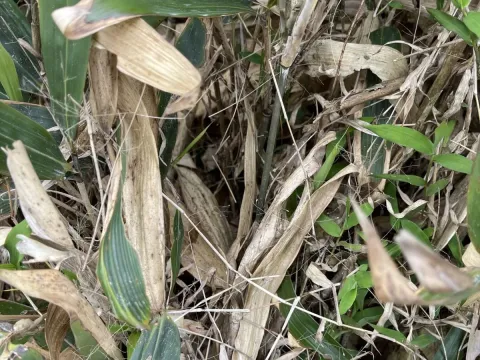
Botanically, Indocalamus is known for its relatively broad, lanceolate leaves, which distinguish it from many other bamboo species. The culms are generally slender, forming thick, dense clumps that thrive in the shaded layers of natural ecosystems.
Cultivation requires fertile, well-draining soil rich in organic matter. While the plants are moisture-loving, they are sensitive to waterlogging, which can lead to rapid root decay, especially in cooler climates.
The optimal environment for Indocalamus is partial shade or dappled light. Direct exposure to intense afternoon sun often results in leaf scorch, significantly reducing the ornamental and physiological quality of the plant.
Agrotechnical management involves regular mulching to retain soil moisture and stabilize root temperatures. Pruning old or damaged culms during the dormant season is essential for maintaining the vigor and aesthetic structure of the clump.
The most common health issues for Indocalamus include fungal pathogens causing leaf spot and rust. These diseases often emerge when air circulation is poor or humidity levels remain consistently high.
Pests such as spider mites and aphids are primary concerns, particularly during warm and dry periods. Infestations manifest as discoloration or curling of the leaves, which can stunt overall growth.
Integrated pest management (IPM) is recommended to control these threats effectively. Regular inspection, especially during the peak growing season, allows for early intervention before widespread damage occurs.
Cultural practices such as proper spacing and removal of debris are the first line of defense against disease. Preventing overcrowding is crucial for ensuring sufficient airflow around the foliage.
Chemical control should be used sparingly and only when cultural controls are insufficient. Choosing selective insecticides and fungicides helps maintain the balance of the local ecosystem while protecting the bamboo.