
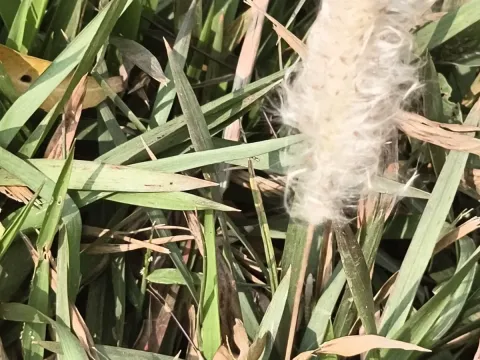
Imperata
Imperata
The planting of Imperata, particularly the widely recognized species Imperata cylindrica, is best achieved by seeds during the spring season when soil temperatures remain consistently above 15-20 degrees Celsius.
What the section contains


Imperata
Because the seeds require light for optimal germination, they should be sown on the surface and lightly pressed into the soil rather than buried deep, ensuring they remain moist during the early development phase.
Vegetative propagation via rhizome division is generally more effective and faster for establishing new stands, and this should be performed during the plant's dormant period in early spring or autumn.
When selecting a planting density, it is crucial to consider the intended purpose; for dense ground cover, spacing should be tight, allowing for quick rhizomatous expansion across the area.
Providing adequate irrigation immediately following planting is essential for successful establishment, as young roots are vulnerable to desiccation until they have fully penetrated the deeper soil layers.
Imperata belongs to the Poaceae family and is known for its remarkable adaptability to various soil types, ranging from nutrient-poor sandy soils to more compacted clay structures.
The plant thrives in full sun, which is critical for varieties that exhibit vibrant red or gold leaf coloration, as shade often causes the foliage to revert to a dull green.
While Imperata is notoriously drought-tolerant once established, it demonstrates significantly more vigorous growth and biomass production when moisture levels are sufficient during the primary growing season.
Temperature tolerance is generally robust; however, the species requires protection from severe frost in colder regions to prevent winter damage, particularly in younger, less established plants.
Due to the aggressive nature of its underground rhizomes, it is highly recommended to install root barriers or choose container-grown options to prevent the plant from becoming a problematic weed in surrounding areas.
In a agricultural context, Imperata is often regarded as a noxious weed in many parts of the world, yet it serves several potential roles if managed properly within a controlled production system.
The biomass can be utilized for soil mulching, providing an excellent cover that retains moisture and suppresses competitive weed species in orchards or between rows of fruit trees.
There is significant research into using Imperata as a renewable resource for pulp and paper manufacturing, as its fibrous stems contain a substantial amount of cellulose suitable for industrial processing.
Bioenergy production is another viable direction, as the high yields of organic matter per hectare allow for efficient harvesting of feedstock for pellet production or thermal conversion.
It is important to manage yield expectations based on soil fertility; while the plant grows almost anywhere, higher biomass yields are strictly correlated with supplemental nutrient availability.
Imperata is exceptionally resistant to most common plant diseases and pests, a trait attributed to its high silica content and the presence of allelopathic compounds that inhibit other plants and potential insect colonizers.
Occasional fungal leaf spot issues may arise in environments with poor air circulation or chronic high humidity, but these are typically minor and do not necessitate chemical intervention.
Root rot is the primary physiological risk, occurring primarily in poorly drained soils where water stagnation suffocates the rhizomes, potentially leading to plant death.
Pest pressure from aphids or mites is statistically low, making this species an excellent candidate for low-maintenance landscapes where the use of pesticides is undesirable or prohibited.
The most significant challenge for the grower is not disease management but rather the containment of the plant, as its rapid rhizomatous spread can overwhelm nearby crops if not strictly monitored.
Harvesting should ideally occur before the onset of flowering to maximize the nutritional or fiber quality of the biomass, as the plant directs most of its energy toward seed production once inflorescences appear.
In ornamental settings, the old foliage should be cut back in late winter or early spring to allow for fresh, vibrant regrowth at the start of the next growing season.
For large-scale biomass collection, rotor mowers are the preferred equipment, capable of handling the tough, silica-rich stems that can wear down standard cutting blades prematurely.
When collecting seeds for further propagation, the inflorescences should be harvested once they turn silver-white and begin to dehisce, ensuring they are stored in dry, well-ventilated conditions.
After harvesting, the material should be allowed to dry in the field for several days to reduce moisture content, which minimizes transport weight and stabilizes the material for long-term storage.