
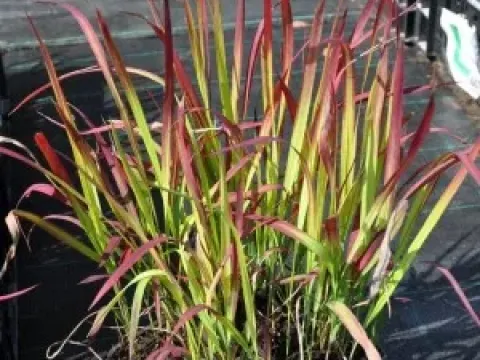
Imperata tenuis
Imperata tenuis
Imperata tenuis is a perennial grass species that primarily propagates through an extensive rhizome system, which forms the basis for establishing new crops.
What the section contains
Imperata tenuis
The optimal time for planting is early spring, immediately after the soil has thawed and warmed up to allow for active root development.
When sowing seeds, it is crucial to prepare a fine tilth seedbed and ensure proper burial depth to maximize germination rates in the field.
Spacing between rows is adjusted based on the intended purpose of the crop, whether it is for hay production or soil erosion control purposes.
Young plantings require careful management to ensure they are not outcompeted by aggressive weeds during the critical establishment phase of the season.
As a member of the Poaceae family, Imperata tenuis thrives in well-drained soils, preferring loamy or sandy loam textures with a neutral reaction.
The plant is highly photophilous and requires full sun exposure to maintain its growth rate and biomass quality throughout the vegetative season.
Water requirements are moderate, though the crop benefits significantly from consistent soil moisture during periods of active regrowth after harvesting.
Imperata tenuis is adaptable to various soil types, but it performs best in regions where the topsoil is deep and free from prolonged waterlogging.
Fertilization regimes should focus on nitrogen supply during spring growth and potassium-based supplements in late summer to improve winter hardiness.
The yield potential of Imperata tenuis is largely dependent on the density of the stand and the efficiency of the provided nutrient and water management.
Farmers can achieve multiple harvests per season, provided the crop is managed effectively to allow sufficient recovery time after each mowing.
High-quality biomass production requires timely harvest before the plant reaches the reproductive stage, ensuring optimal nutrient density in the foliage.
Annual yields remain stable over several years if proper maintenance practices, such as occasional cultivation or fertilization, are strictly followed.
Site selection plays a vital role in biomass output, with south-facing slopes often yielding more due to increased heat accumulation and growing days.
The main biological threats to Imperata tenuis include fungal pathogens such as rusts, which can proliferate rapidly under high humidity and poor circulation.
Pests like cereal aphids and various stem-boring insects may affect the plant vitality, potentially leading to localized damage in the crop stand.
Effective pest control involves a combination of preventative field sanitation and the application of targeted insecticides when infestation levels exceed thresholds.
Root-related diseases are primarily caused by soil saturation, making drainage a critical factor in maintaining the long-term health of the plantation.
Integrated pest management strategies are recommended to reduce reliance on chemical inputs while maintaining the overall productivity of the crop.
Harvesting is typically conducted using forage harvesters or mowers, ensuring the cutting height does not damage the crown or basal rhizomes.
The cut material is often field-wilted to reduce moisture content before being baled or ensiled for long-term storage in agricultural facilities.
Correct storage conditions are essential, as excessive moisture in baled hay can lead to fungal growth, overheating, and significant loss of forage quality.
Post-harvest care involves clearing debris and providing essential nutrients to support the next growth cycle and ensure the longevity of the plant stand.
The efficiency of the harvest process depends on equipment settings that minimize field losses while ensuring the purity of the harvested grass material.