
Ichnanthus
Ichnanthus
Ichnanthus is a diverse genus within the grass family, Poaceae. These plants have gained attention in agricultural research for their potential as forage crops, particularly in tropical environments where high biomass production is essential.
What the section contains


Ichnanthus
Originating primarily from the tropical Americas, Ichnanthus species are adapted to diverse climates ranging from open savannas to shaded forest margins. Their geographical distribution is a testament to their wide ecological plasticity.
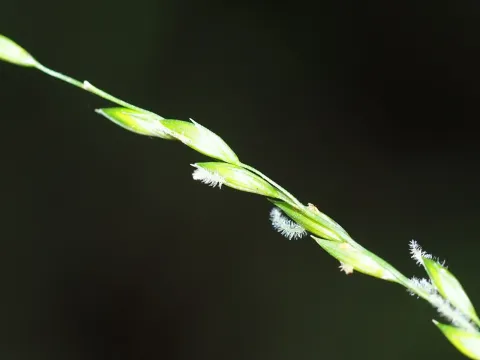
Botanically, Ichnanthus is distinguished by specific features of its spikelets, including the presence of scale-like bracts known as anthoecia. The plants typically exhibit a creeping or erect growth habit, which helps in maintaining soil moisture and preventing erosion.
The crop requires well-drained soil with a healthy supply of organic matter. While it is quite adaptable, its growth rate is significantly optimized when soil pH is maintained within the neutral range, ensuring the availability of essential micronutrients.
Successful cultivation involves proper establishment of the stand. It is crucial to manage soil fertility and moisture levels to encourage strong root development, which ultimately supports better regrowth after mowing or grazing cycles.
The primary economic utility of Ichnanthus lies in its value as forage for livestock. The biomass provides a consistent source of energy and protein when managed as a permanent pasture, contributing to sustainable dairy and beef production systems.
Yield efficiency is maximized through rotational grazing strategies. By allowing the plants to recover after intensive grazing, farmers can ensure a high and sustained supply of green forage throughout the wet season.
Fungal pathogens associated with high humidity are the primary threats to stand density. Management practices, such as choosing well-drained planting sites and avoiding excessive canopy closure, are key to preventing the spread of diseases.
Insect pests, including leaf-feeding larvae and sap-sucking bugs, can impact overall productivity. Implementing integrated pest management, which prioritizes early detection and balanced chemical application, is necessary for maintaining crop health.