
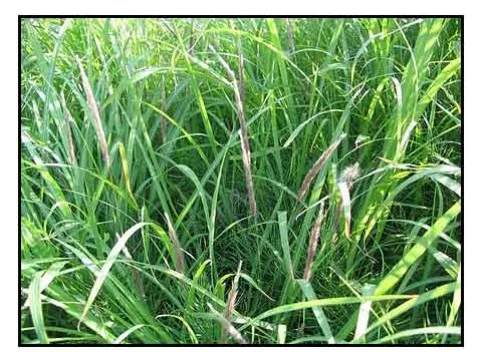
Imperata exaltata
Imperata exaltata
Imperata exaltata is a perennial rhizomatous grass, and in agricultural settings, it is primarily propagated through vegetative division of the rootstocks.
What the section contains
Imperata exaltata
The optimal time for establishing a new planting is during early spring, once soil temperatures consistently reach 10-12 degrees Celsius.
Seed propagation is also possible; however, it requires stratified seeds planted in controlled nursery conditions before transplanting into the field.
If direct sowing is preferred, it must be performed in late May to ensure that frost-sensitive seedlings are not exposed to freezing temperatures.
Planting density is determined by the intended use: higher densities are favored for soil stabilization, while lower densities are used for ornamental purposes.
As a member of the Poaceae family, Imperata exaltata is known for its ecological adaptability across various terrestrial environments.
The plant thrives in full sun, where it develops its characteristic biomass density and remains healthy throughout the growing season.
While tolerant of diverse soil types, it performs best in well-drained, sandy loams that prevent root saturation and promote healthy rhizome development.
The species has moderate water requirements and exhibits good resilience to occasional dry spells once the root system is well-established.
Soil pH levels should generally be maintained within a slightly acidic to neutral range to ensure optimal nutrient uptake and plant vigor.
The biomass yield of Imperata exaltata is significantly influenced by soil fertility and the availability of nitrogen-rich fertilizers during the active growing phase.
In well-managed cultivation systems, the plant produces a dense canopy that provides consistent harvests for forage or industrial use over several years.
Peak productivity typically occurs from the second year onwards as the expansive rhizomatous network becomes fully integrated into the soil profile.
Frequent, controlled harvesting or grazing cycles help maintain the succulent nature of the foliage, preventing the stems from becoming overly fibrous.
The total yield is highly dependent on managing the competitive pressure from other flora in the area and ensuring appropriate water supply.
Imperata exaltata is generally hardy and displays high resistance to most major agricultural pathogens, reducing the need for chemical intervention.
The primary threat to the crop is waterlogged soil conditions, which can lead to root rot and diminished growth potential during cool, wet seasons.
Minor pest infestations by sucking insects, such as aphids, can occasionally occur, though they rarely cause significant economic damage to mature stands.
Integrated pest management focuses on maintaining soil health and preventing the overcrowding of plants to ensure proper airflow and light penetration.
In cases of high pest pressure, organic insecticidal sprays can be utilized to protect the crop without disrupting the local environmental balance.
For forage purposes, the optimal harvest window is before the plant enters the flowering stage, ensuring peak nutritional value in the harvested material.
Industrial or ornamental harvesting occurs late in the season, once the foliage displays desired structural characteristics and reduced moisture content.
Seed collection requires careful timing; the inflorescences must be harvested as soon as they mature but before the seeds are dispersed by wind.
Harvesting is usually achieved through mechanical mowing, which allows for efficient processing and uniform handling of the plant biomass.
Proper post-harvest management involves drying the material in well-ventilated conditions to preserve quality and prevent degradation during storage.