
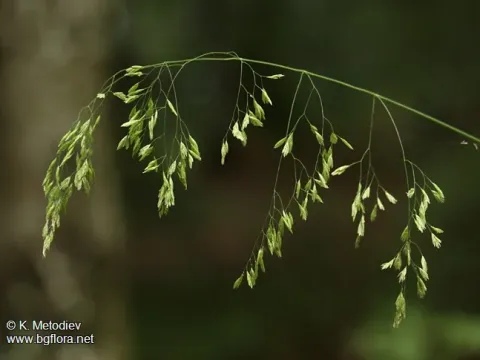
Wood fescue
Festuca drymeja
Wood fescue (Festuca drymeja) is a perennial grass species belonging to the Poaceae family. Native to European and Caucasian woodlands, this plant is well-adapted to thriving in the understory where direct sunlight is limited and soil moisture remains relatively high.
What the section contains
Wood fescue
Botanically, it features a loose-tufted growth habit with long, arching leaves. This structural adaptation allows it to efficiently capture diffused light, making it a reliable choice for areas with significant canopy cover or shade in landscaping projects.
The ideal soil conditions for wood fescue involve rich, well-draining loamy substrates. It prefers a neutral to slightly acidic pH and requires consistent moisture throughout the growing season to prevent leaf scorch and dehydration.
This species is exceptionally hardy regarding low temperatures, reflecting its adaptation to mountain forest environments. However, it requires a protected site to shelter it from hot, drying summer winds which can severely stress the plant.
In terms of agricultural and horticultural use, wood fescue is highly regarded for its ability to stabilize soil in shady areas and serve as an ornamental groundcover where other turf grasses struggle to survive due to light deficiency.
Common plant health issues for wood fescue include powdery mildew and rust fungi, which are often triggered by stagnant air and persistent high humidity levels in shaded settings.
Insect pests, such as grass aphids and stem borers, can impact the vigor of the plant. Monitoring for these pests is essential during the early stages of the growing season to prevent long-term damage.
Root rot represents a significant threat when the grass is grown in heavy, poorly drained clay soils. Ensuring proper drainage is the most effective preventative measure against soil-borne pathogens.
Cultural control, such as avoiding overcrowding and ensuring adequate spacing between plants, is crucial for maintaining air circulation and reducing the incidence of fungal outbreaks.
If chemical intervention becomes necessary, it should be applied cautiously, focusing on target-specific products to protect the local ecosystem and the overall health of the planting site.