
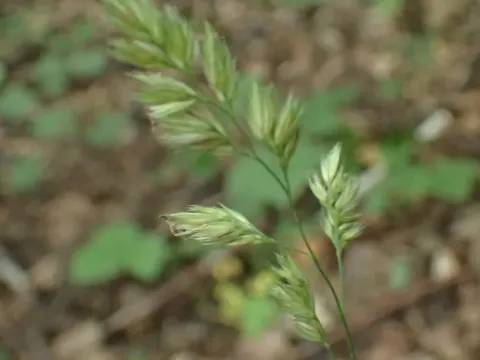
Wood orchard grass
Dactylis polygama
Wood orchard grass, scientifically known as Dactylis polygama, is a perennial cool-season grass belonging to the Poaceae family. It is typically sown in early spring or late summer to establish a robust root system before harsh temperatures arrive.
What the section contains
Wood orchard grass
The optimal sowing window is from April to May, when the soil has warmed and moisture levels are sufficient for germination. Seedbeds should be finely prepared and firm to ensure good contact between the soil and the small seeds.
Sowing depth should be kept shallow, generally between 1 and 2 centimeters. Planting too deep can significantly reduce emergence rates, especially in heavier soils that may crust over after irrigation or rainfall.
Seeding rates vary depending on whether the crop is being established as a monoculture or as part of a seed mix. Using high-quality, certified seeds is essential to avoid introducing weeds into the pasture or meadow.
Post-seeding rolling is highly recommended to improve soil-seed contact and increase moisture retention. Proper moisture management in the first three weeks post-germination is crucial for success.
This grass species is well-adapted to fertile, moist soils and exhibits notable shade tolerance compared to common orchard grass. It thrives in temperate regions where cool, moist conditions prevail throughout the growing season.
Dactylis polygama prefers neutral to slightly acidic soil conditions. It is not suitable for waterlogged or poorly drained areas, as the roots require adequate oxygen to remain healthy and productive over several years.
Fertilization is a key factor in maximizing yields. Strategic applications of nitrogen, phosphorus, and potassium following each cutting cycle will ensure rapid regrowth and high nutritional value for livestock feed.
While the plant is winter-hardy and can withstand significant frost, it requires sufficient soil moisture during the summer months. In regions prone to drought, maintaining healthy soil structure is vital to mitigate stress.
The species forms dense, persistent clumps that are resistant to moderate grazing and mechanical harvesting. This resilience makes it a valuable component of permanent pasture systems and hay meadows.
Common fungal diseases such as leaf rust and powdery mildew are the primary concerns for Dactylis polygama growers. These issues are most prevalent during periods of high humidity and poor air circulation.
Pests like aphids and certain species of cereal flies can damage the foliage and stunt plant growth. Integrated pest management, including crop rotation and field monitoring, helps in controlling these populations.
Disease prevention often focuses on avoiding over-fertilization with nitrogen, which can create lush, succulent growth susceptible to fungal infections. Maintaining proper plant density also improves airflow through the crop canopy.
When chemical intervention is necessary, fungicides should be applied according to local agricultural regulations to manage infections effectively. However, natural resistance in healthy, well-managed crops often suffices.
Regular inspections throughout the growing season allow for early detection of any health issues. Addressing problems early saves time and ensures the longevity of the forage stand.
Harvesting for hay should ideally occur at the late booting or early heading stage to maximize the protein content and overall digestibility of the forage for livestock nutrition.
If the field is intended for seed production, harvest should commence once the seeds have reached physiological maturity. Timing is critical, as seeds can drop easily if left standing for too long.
Cutting heights should be maintained at roughly 6 to 8 centimeters above the ground. This preserves the basal nodes and energy reserves, enabling the grass to regrow quickly for subsequent harvests.
Efficient drying processes are vital to preserve the quality of the hay. Fast drying in the field, followed by proper storage in a cool, dry place, prevents mold growth and nutrient leaching.
In grazing systems, rotational grazing is encouraged to ensure the grass is not over-depleted. Allowing the stand a rest period before winter ensures better survival and productivity in the following season.