
Wood small-reed
Calamagrostis epigeios
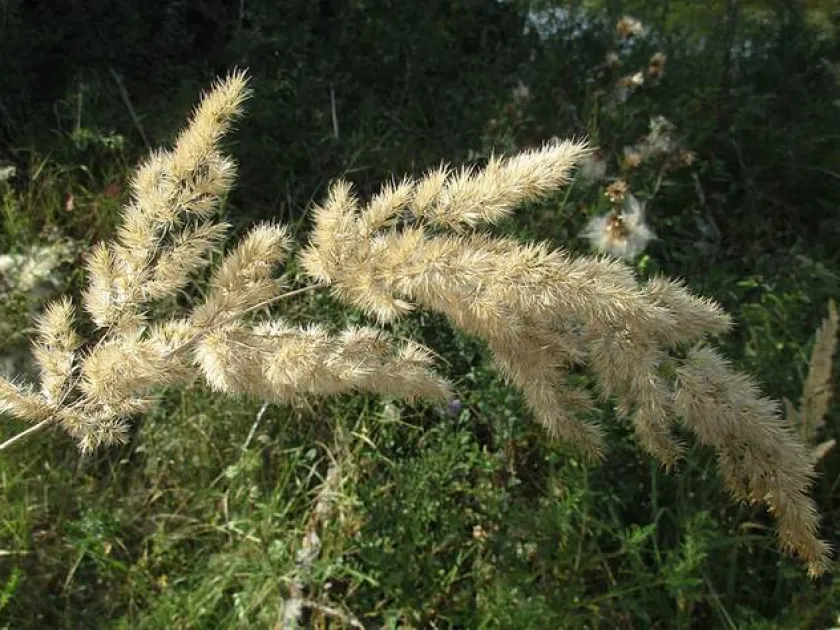
Description
Growing requirements
Wood small-reed, scientifically known as Calamagrostis epigeios, is a perennial grass species belonging to the Poaceae family. It is recognized for its extensive rhizomatous root system, which allows it to thrive in various challenging environments across Europe and Asia.
This grass is naturally adapted to a wide range of habitats, including dry forests, sand dunes, and nutrient-poor clearings. Its ability to colonize disturbed soil makes it a significant player in ecological restoration and land stabilization projects.
Regarding climate and soil requirements, the wood small-reed prefers sun-exposed locations with well-drained, sandy, or loamy soil. It is exceptionally resilient to drought conditions, maintaining its structure even during extended dry spells.
The plant demonstrates high morphological plasticity, which allows it to adapt to local environmental factors. In agricultural contexts, it is primarily valued for its soil-binding properties, preventing topsoil loss in erosion-prone areas.
While often treated as a weed in intensive crop fields, its potential as a pioneer species in land reclamation cannot be overlooked. It actively improves soil structure over time, preparing the substrate for more demanding plant species to follow.
Main diseases and pests
Calamagrostis epigeios is susceptible to several pathogens that typically affect wild grasses. Leaf rust is one of the most common issues, significantly impacting the aesthetic and physiological quality of the vegetation during warm, humid months.
Powdery mildew may occur when the stand is overly dense and lacks adequate airflow. This fungal infection covers the foliage in a white, powdery layer, which may hinder efficient photosynthesis and nutrient uptake for the rhizomes.
Insect pests, such as cereal aphids and specific grass flies, often target the plant's developing stems. Heavy infestations can lead to stunted growth and reduced seed production, impacting the long-term spread of the grass within the ecosystem.
Managing the health of these grass populations involves monitoring for early signs of disease and insect activity. Proper maintenance and thinning of the grass stand can significantly reduce the risk of humidity-related fungal growth.
In areas where this grass is managed for soil stabilization, chemical protection measures are sometimes necessary to prevent the spread of localized diseases. Balancing these interventions is key to maintaining a healthy and functional ground cover.