


Reference · Crops
Windgrass
Apera
Windgrass (Apera spica-venti) is a member of the Poaceae family. In agronomy, it is primarily recognized as a significant weed species affecting winter cereal crops throughout temperate climate zones.
1
items
What the section contains
Marketplace
Products in this section · 12


Windgrass
The plant exhibits a preference for sandy and loamy soils with sufficient moisture. Its ecological strategy allows it to thrive in disturbed habitats, frequently becoming dominant in winter wheat and rye fields if not controlled.
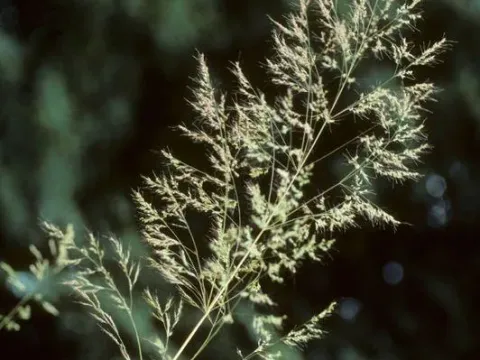
Botanically, it is an annual grass characterized by slender culms and large, diffuse panicles. During the flowering stage, the inflorescence displays a distinct purplish hue, which is a key identification feature for field scouting.
A notable reproductive trait is the production of a vast quantity of very small seeds. These seeds are easily dispersed over large distances, making the species highly invasive within agricultural landscapes.
Windgrass competes aggressively with crops for nitrogen, water, and solar radiation. This interference results in significant reduction of crop tillering and overall yield performance in affected fields.
Windgrass is susceptible to various pathogens, including fungal rusts and powdery mildew. As an alternative host, it can harbor these diseases, facilitating their spread to cultivated cereal varieties.
Several insect pests, such as cereal aphids and stem borers, may utilize windgrass as a temporary host during their life cycle, increasing the pest pressure on surrounding crop areas.
Effective management strategies include crop rotation, use of certified weed-free seeds, and mechanical soil tillage to bury seeds to a depth that prevents successful germination.
Chemical control is the most frequent intervention, utilizing selective post-emergence herbicides. Application timing is critical to target the weed during its susceptible growth stages.
Integrated weed management programs are essential to prevent the buildup of a soil seed bank, ensuring long-term reduction of the infestation levels in agricultural land.