
Winter bentgrass
Agrostis hyemalis
Description
Growing requirements
Winter bentgrass (Agrostis hyemalis) is a perennial grass species belonging to the Poaceae family. Native to North America, it is widely distributed across various habitats, ranging from moist meadows and stream banks to disturbed rocky soils.
This species is well-known for its high cold tolerance, which allows it to thrive in regions with harsh winters. It requires a stable moisture supply throughout the growing season but prefers well-drained soil to avoid root rot issues associated with waterlogging.
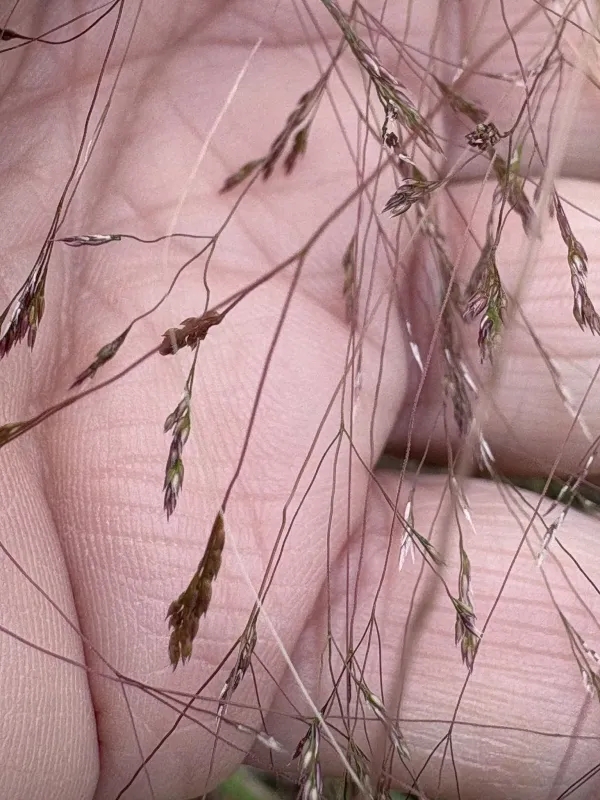
Botanically, it is characterized by its slender stems and delicate, spreading panicles. Once the seeds mature, the entire inflorescence can break off, facilitating seed dispersal via wind, a strategy commonly referred to as a tumbleweed mechanism in some conditions.
When cultivated, winter bentgrass responds best to neutral or slightly acidic soil conditions. It is not considered a high-intensity crop but is valued for its ability to provide rapid ground cover and soil stabilization on marginal lands.
The agricultural use of Agrostis hyemalis is largely focused on conservation efforts, erosion control, and inclusion in pasture seed mixtures. It is favored for its ability to integrate into diverse ecosystems and its resilience against low temperatures.
Main diseases and pests
Common pathological threats include leaf spot and rust fungi, which are particularly prevalent in regions with high humidity. Proper management, such as maintaining adequate space between plants, helps mitigate these disease risks significantly.
Insect pests such as grass mites or stem-boring insects may occasionally affect growth rates. Integrated pest management, including monitoring and ensuring a balanced nutrient supply, is the recommended strategy for maintaining healthy stands.