
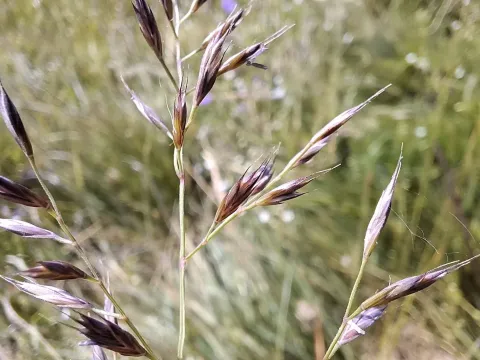
Dalmatian fescue
Festuca dalmatica
Dalmatian fescue is a perennial grass species, and for optimal establishment, sowing should be conducted in early spring or late summer.
What the section contains
Dalmatian fescue
The soil temperature should be at least 8-10 degrees Celsius to ensure that seeds germinate efficiently and establish a strong root system before environmental stress.
Standard seeding rates range from 12 to 16 kilograms per hectare, depending on seed purity, germination percentages, and the intended use of the meadow.
Proper seed depth is crucial for success; seeds should be placed shallowly, approximately 1–2 centimeters deep, to facilitate uniform emergence.
Following the sowing process, field rolling is highly recommended to improve soil-to-seed contact and ensure consistent moisture absorption.
This species is well-known for its exceptional drought tolerance, making it an ideal choice for cultivation in arid and semi-arid climatic zones.
Dalmatian fescue thrives in well-drained, sandy, or stony soils where other forage crops struggle to survive due to nutrient limitations.
The plant exhibits high cold hardiness and remains resilient against significant temperature fluctuations typical of continental climates.
Abundant sunlight is a primary requirement for the healthy growth of this species, as it does not perform well in shaded conditions or high-humidity environments.
Being an adapted species to nutrient-poor soils, it does not require heavy fertilization, although moderate application of phosphorus can boost growth during early development.
Fungal diseases such as rust and powdery mildew are the most common threats, typically emerging during periods of high humidity or poor field ventilation.
These pathogens can significantly impair photosynthetic capacity and reduce the overall yield of the forage material produced.
Pest pressures including various cereal flies and meadow moths may affect stand density, especially in young or stressed populations.
Integrated pest management strategies, such as maintaining proper plant spacing and avoiding excessive moisture, are essential for crop health.
In cases of severe infestation, targeted fungicide or insecticide applications may be required to prevent widespread damage to the established pasture.