
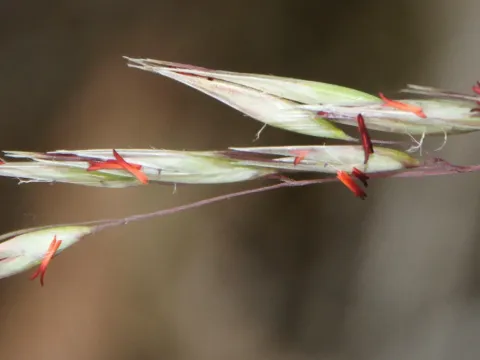
Danthonia pallida
Danthonia pallida
Danthonia pallida, commonly known as wallaby grass, is a perennial member of the Poaceae family. Originating from the diverse landscapes of Australia, this species is highly valued for its resilience and ability to thrive in various environmental conditions.
What the section contains
Danthonia pallida
This grass is characterized by its significant drought tolerance, which allows it to remain productive even in regions with infrequent rainfall. It typically establishes itself in well-drained soils, ranging from sandy to heavier, rocky textures common in its native range.
Morphologically, the plant forms dense, tufted clusters. Its foliage is often narrow and tough, a physiological adaptation that prevents water loss through transpiration. This structural feature is crucial for its survival during the harsh summer months.
The plant thrives in full sun exposure. While it exhibits tolerance to a range of temperatures, its optimal growth phase occurs when conditions are mild to warm, supporting the accumulation of biomass necessary for livestock grazing.
In agricultural practice, this grass is used as a foundation for sustainable pastures. Its capacity to maintain soil integrity and provide stable forage makes it an essential species for land reclamation projects and ecological restoration efforts.
Fungal pathogens such as rust and powdery mildew are the most common health threats to Danthonia pallida, particularly in humid or stagnant air conditions. These diseases can impair photosynthesis and reduce overall nutritional quality.
Insect pests, including aphids and various lepidopteran larvae, may feed on the foliage. While mature stands are generally resilient, seedlings can be significantly damaged, potentially affecting the success of pasture establishment.
Root-rot pathogens pose a risk when soil drainage is poor. Continuous waterlogging is detrimental to the health of the plant, often leading to patchy development and the decline of established tufts across the pasture.
Invasive weeds represent a primary biological challenge for stands of wallaby grass. Competitive species can easily overtake the area if the pasture is overgrazed or managed incorrectly, resulting in loss of plant diversity.
Integrated pest management, combined with rotational grazing, is the most effective approach to mitigate these threats. By maintaining a healthy balance in the ecosystem, the need for chemical intervention remains minimal.