
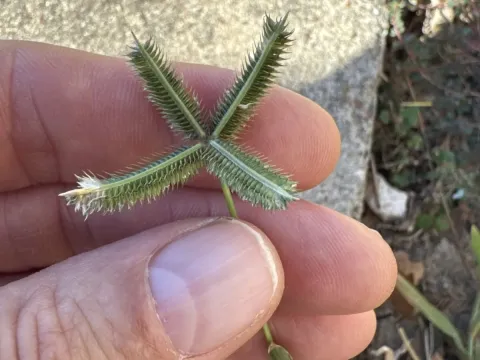
Dactyloctenium
Dactyloctenium
Dactyloctenium is a genus of grasses in the Poaceae family, known for its rapid growth and suitability as a forage crop in tropical and subtropical regions.
What the section contains

Dactyloctenium
Planting typically begins at the onset of the rainy season to capitalize on moisture, which is critical for seed germination and early establishment of seedlings.
Seeds are broadcast or drilled into prepared seedbeds, requiring shallow placement to ensure optimal emergence, given the small size of the grain.
Proper spacing is maintained to reduce competition between plants, which promotes robust tillering and contributes to higher dry matter yields per hectare.
Farmers often implement controlled sowing patterns to facilitate mechanized weeding and fertilization during the early vegetative growth stages of the crop.
The crop requires full sun exposure and performs poorly under shade; therefore, clearing of surrounding vegetation is necessary for maximum photosynthetic efficiency.
Dactyloctenium is versatile regarding soil types, thriving on sandy to loamy soils provided that drainage is adequate to prevent waterlogging of the root zone.
Temperature is a defining factor for success; the plant is strictly warm-season and thrives in heat, making it vulnerable to cold-induced damage or frost.
Nutrient requirements are moderate, but applications of nitrogen fertilizer are frequently utilized to boost biomass production in forage-focused cultivation systems.
Efficient management involves maintaining soil moisture levels through supplemental irrigation where rainfall is insufficient to support sustained vegetative growth cycles.
Fungal diseases, including leaf rusts and various spots, represent significant threats, especially in areas characterized by high humidity and frequent precipitation.
Insects like aphids and leafhoppers are common pests that feed on the sap of the plant, potentially causing stunting and vectoring various plant viruses.
Soil-borne pests and larvae can affect the root systems, causing a reduction in vigor and making the plants more susceptible to environmental stress.
Effective pest management focuses on preventive cultural practices, such as balanced fertilization and proper field sanitation to minimize pathogen buildup.
Chemical interventions are rarely used to avoid residues in the forage, with preference given to integrated pest management (IPM) strategies when necessary.
Forage harvesting is performed when the plants reach the early heading stage to capture the highest nutritional value before the fiber content increases significantly.
When grown for seeds, harvest timing is critical to prevent shattering, as the mature seed heads are prone to shedding grain upon mechanical disturbance.
Mechanical harvesting via forage harvesters or mowers allows for efficient processing of large areas, followed by immediate drying for hay or ensiling for storage.
The regrowth potential of Dactyloctenium is excellent, allowing for multiple harvests per season if moisture and fertility requirements are strictly met.
Post-harvest storage requires well-ventilated conditions to maintain the quality of the green mass and prevent the development of spoilage organisms during the curing process.