
Cynosurus coloratus
Cynosurus coloratus
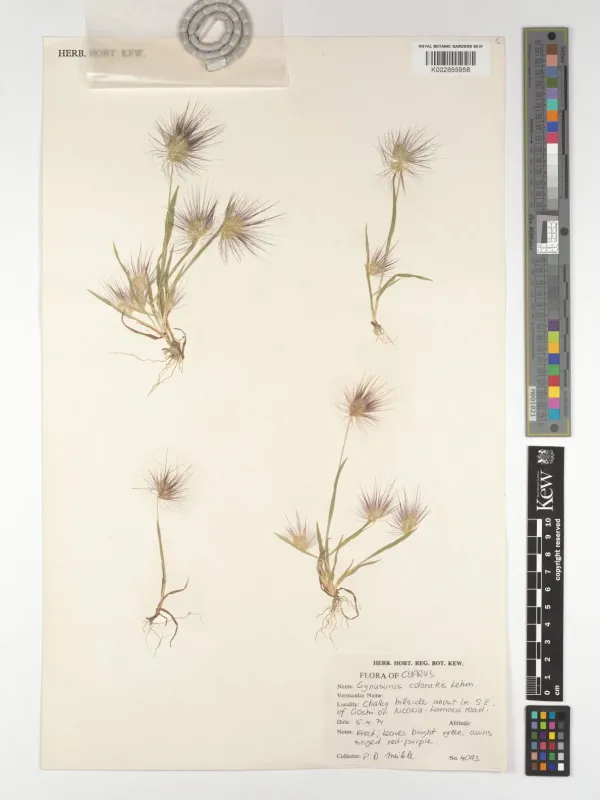
Description
Sowing dates
Cynosurus coloratus is a resilient perennial grass species within the Poaceae family, primarily valued for its role in forage production. The optimal sowing time is typically early spring, which allows the seedlings to establish a strong root system before the onset of high summer temperatures.
Late autumn or dormant seeding is also a viable option in specific temperate regions, providing the necessary cold exposure for germination. Seeds should be sown shallowly, ideally at a depth of about 1 to 2 centimeters, ensuring sufficient soil-to-seed contact for successful emergence.
When used for establishing permanent meadows, this grass is often mixed with other legume or grass species to balance the nutritional value of the pasture. Calculating the appropriate seed rate is crucial to avoid overcrowding while ensuring a dense enough canopy to suppress weeds.
After seeding, rolling the soil is a standard agronomic practice to improve moisture retention and facilitate seed germination. Proper equipment, such as precision seed drills, helps in achieving uniform distribution and optimal depth, significantly increasing the chances of a successful stand.
For seed multiplication plots, row spacing should be adjusted to allow for mechanical weeding and better nutrient access. This strategy ensures high-quality seed production, which is essential for scaling up the cultivation of this species in large agricultural operations.
Growing requirements
The crop is adaptable to a wide range of soil conditions, preferring loamy or sandy loam textures with good drainage. While it thrives in fertile soils, it can tolerate a certain degree of soil compaction, making it suitable for areas subjected to regular grazing or traffic.
Ideal soil pH for optimal growth ranges between 6.0 and 7.0. If the soil is excessively acidic, liming is recommended to improve the availability of essential macro and micronutrients, which is reflected in better biomass production and overall plant health.
Winter hardiness is one of the key strengths of Cynosurus coloratus, allowing it to withstand harsh winter conditions in various temperate climate zones. It shows excellent regrowth capabilities in early spring, often being one of the first species to provide green forage for livestock.
Nutrient management, particularly nitrogen fertilization, plays a vital role in increasing biomass yields. Applying fertilizers in split doses throughout the growing season helps sustain growth and enhances the nutritive value of the grass, making it highly attractive for livestock consumption.
- Light requirements: Highly photophilous, requiring full sun for maximum production.
- Root system: Fibrous and robust, effective for soil erosion control.
- Water requirements: Mesophytic, capable of enduring periodic flooding.
Yield
Yield performance of this forage grass is heavily influenced by the intensity of management, including the frequency of harvesting and the level of fertilization. With proper care, it delivers high-quality yields suitable for hay production and long-term grazing systems.
Nutritional value remains high if the crop is harvested before the full flowering stage. Delaying the harvest can lead to increased lignification, which reduces digestibility and protein content, thereby diminishing the overall feed value for cattle and sheep.
In pastures, its high regrowth rate (regrowth after grazing) allows for multiple rotations throughout the grazing season. This trait makes it an indispensable component in intensive pasture management, providing consistent feed availability when managed appropriately.
Seed yield is optimized on dedicated fields where competition from weeds is minimized. High-quality seeds have excellent germination rates, which makes this species a reliable choice for land reclamation projects and the restoration of degraded grasslands.
Depending on regional climatic conditions, farmers can typically expect two to three harvests per season. Continuous monitoring of the growth stages is essential to determine the best timing for mowing to balance the volume of biomass with its quality.
Main diseases and pests
While the plant is generally hardy, it can be susceptible to rust diseases under conditions of high humidity and poor airflow. Regular monitoring and maintaining proper plant density are effective ways to minimize the impact of these fungal pathogens on forage quality.
Powdery mildew may occur in dense or overly shaded stands, where stagnant air creates a humid microclimate. Promoting better ventilation through controlled stocking rates or timely mowing can help prevent the development of these fungal infections.
Insect pests, including various species of grass-feeding flies, may occasionally target young shoots during the establishment phase. Integrated pest management strategies, focusing on early identification and targeted interventions, are recommended to protect the integrity of the stand.
Root rots are potential risks in fields with poor drainage or chronic waterlogging. Improving soil structure and ensuring proper site selection are the most effective long-term strategies to mitigate these issues and ensure a long-lasting productive stand.
Competition from weeds is a significant concern during the early stages of growth, as the grass establishes relatively slowly. Employing effective pre-planting soil preparation techniques and managing competition are essential steps for the successful establishment of the crop.