
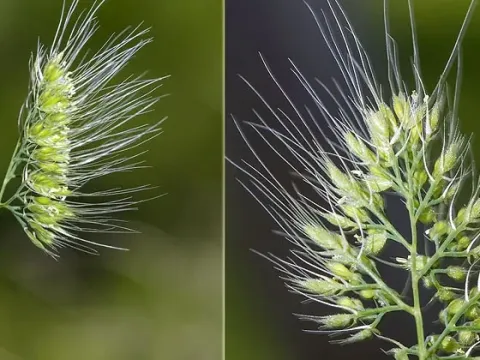
Cynosurus elegans
Cynosurus elegans
Cynosurus elegans, a member of the Poaceae family, is primarily an annual plant. Sowing is typically carried out in the spring when the soil temperature reaches 8–10 degrees Celsius, usually occurring in April or May.
What the section contains
Cynosurus elegans
The seeds are small, so they should be sown at a shallow depth of no more than 1–2 centimeters. When grown for ornamental purposes, it is essential to maintain proper spacing between plants to encourage a balanced and aesthetic growth habit.
In field production, winter sowing is also possible, allowing the seeds to utilize moisture from melting snow for early germination. Ensuring good soil-to-seed contact by rolling the soil after planting is a critical step for success.
The period from emergence to the formation of full generative shoots takes on average 60 to 80 days depending on climate conditions. Its rapid development makes it an effective species for quickly establishing temporary grass cover.
The optimal seeding rate is calculated based on the intended use, typically ranging from 8–12 kg per hectare for pure stands. In seed mixtures, this percentage is reduced to avoid excessive competition with other grass species.
This crop prefers sunny locations, as shade significantly reduces ornamental quality and the intensity of inflorescence. The plant is quite adaptable to various soil types but performs best on light loams and sandy soils with a neutral pH.
Cynosurus elegans possesses moderate drought tolerance, making it a viable candidate for landscaping areas where regular irrigation is not feasible. However, supplemental watering during dry vegetation periods significantly improves biomass production and quality.
The plant is sensitive to waterlogging in the root zone; therefore, cultivation in low-lying areas with high groundwater levels is not recommended. Such conditions increase the risk of decay and root rot development.
Fertility requirements are moderate; the plant grows well on nutrient-poor substrates but responds positively to starter doses of nitrogen-phosphorus fertilizers. Excessive nitrogen may cause stem lodging, negatively affecting its visual appeal.
For successful growth, an ambient temperature range of 18–25 degrees Celsius is ideal. The plant is not frost-hardy in regions with harsh winters, so its biological lifecycle should be carefully considered when planning landscape designs.
The economic use of Cynosurus elegans is primarily directed towards ornamental gardening, landscape design, and the floral industry. Its elegant, comb-like inflorescences are highly sought after for creating dried bouquets and artistic floral arrangements.
The plant's biomass can serve as a component to improve soil structure in pastures. While not a primary forage grass, it is palatable to livestock in the early stages of development before the stems become overly fibrous and coarse.
Seed yield depends on stand density and the level of agricultural management, averaging 3–5 centners per hectare. Timely harvesting upon maturity is vital to prevent significant losses due to the natural shedding of seeds.
When used in lawn mixtures, it acts as a short-lived component, providing rapid soil stabilization and a temporary "flowering meadow" effect during the first year of establishment.
Economic viability is driven by market demand for specialized ornamental seeds and dried floral materials. An optimal balance between maintenance costs and ornamental value makes this grass an attractive option for niche agricultural enterprises.
The main threats include fungal diseases such as rust and powdery mildew, which flourish under high humidity and dense stand conditions. Prevention is achieved through proper ventilation and maintaining recommended seeding rates.
Among pests, cereal flies and aphids pose the greatest danger as they can damage young shoots and developing inflorescences. Regular monitoring allows for timely insecticide application if economic thresholds are reached.
Root rot may occur due to improper crop rotation or excessive moisture. Key agronomic practices for control include maintaining optimal irrigation schedules and using high-quality, treated seed materials.
To prevent weed encroachment, timely weeding during the initial growth stages is required. Cynosurus elegans is somewhat sensitive to competition, so early-stage field cleanliness dictates the final harvest quality.
During periods of mass outbreaks of grass sawflies, protective measures are necessary to safeguard the generative organs of the plant. An integrated pest management system helps minimize losses and ensures high-quality seed production.
Seed harvesting should be performed at the wax or full maturity stage when the inflorescences turn a characteristic golden-straw color. Delaying the harvest leads to significant yield losses due to the plant's tendency to shatter easily in the wind.
The harvesting process involves mowing the plants followed by threshing after they have ripened in windrows. For ornamental use, manual collection of the inflorescences is often preferred to preserve their structural integrity for floral displays.
After threshing, the seed material should be cleaned using air separators to remove debris and chaff. Proper cleaning increases germination rates and prevents the spread of pathogens during storage.
Seeds should be stored in dry, well-ventilated facilities at temperatures not exceeding 15 degrees Celsius. Humidity in the storage area should be kept below 14% to ensure the longevity of the embryo.
For floral applications, harvesting is conducted at the semi-mature stage when the inflorescences retain maximum flexibility and aesthetic appeal. After cutting, stems are bundled and dried in the shade in a suspended position.