
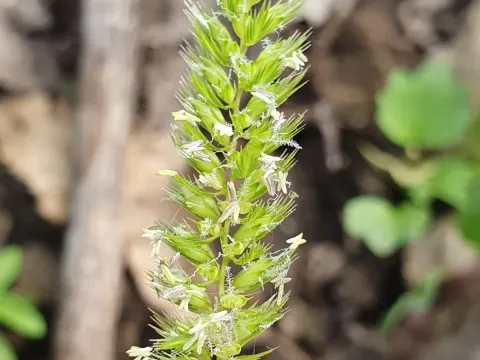
Cynosurus polybracteatus
Cynosurus polybracteatus
Cynosurus polybracteatus is a perennial grass species belonging to the Poaceae family. It is valued in agriculture for its ability to form dense stands, making it an excellent component for permanent pastures and hay meadows.
What the section contains
Cynosurus polybracteatus
The optimal time for sowing is during the early spring when the soil temperature consistently reaches 6-8 degrees Celsius. Proper preparation of the seedbed is essential to ensure small seeds make adequate contact with the earth.
The seeding rate typically ranges from 10 to 15 kilograms per hectare, depending on whether it is sown in a pure stand or as part of a multi-species forage mixture. Shallow sowing at a depth of 1-2 centimeters is strictly recommended.
Rolling the field immediately after planting is a critical agronomic step to improve water capillary action and seed germination. The plant exhibits slow establishment during its first season as it focuses on root development.
The species possesses high tillering capacity, which helps it crowd out invasive weeds over time. Strategic planning of the seeding date helps the crop establish dominance before competing weeds can take over the space.
This crop prefers moderately moist, fertile soils, such as loams or rich chernozems. While it is adaptable to various soil types, it performs best in neutral to slightly acidic soil environments.
Proper drainage is essential, as the crop does not tolerate stagnant water or waterlogged conditions, which can lead to root rot. However, it displays good resilience against temporary dry spells due to its fibrous root system.
The plant is well-suited to temperate climates, showing good winter hardiness. It can withstand frost and recovers quickly once the temperatures rise above freezing in the early spring months.
To maximize yields, nutrient management is vital. Regular applications of nitrogen, phosphorus, and potassium fertilizers are recommended, especially in fields used for intensive forage harvesting or grazing.
Effective pasture management requires rotational grazing to prevent overgrazing. This allows the plant to replenish its carbohydrate reserves, ensuring long-term persistence in the agricultural landscape.
The yield of Cynosurus polybracteatus depends heavily on soil fertility and the frequency of fertilization. Under favorable conditions, it can produce multiple harvests within a single growing season.
Typical yields of fresh green mass range from 15 to 25 tons per hectare. In high-input systems, these figures can be higher, provided the moisture supply is consistent throughout the vegetative period.
Harvesting at the early heading stage is optimal to achieve the best nutritional balance. Cutting at this time ensures high protein content and digestibility for livestock consumption.
The aftermath growth, or regrowth after mowing, is quite rapid, contributing to the total annual yield. This makes the crop a reliable choice for farmers looking to maintain a stable supply of forage for their herds.
Evaluating the dry matter yield is essential for farm planning. Regular monitoring of the growth stages allows for precise timing of the harvest to optimize both quantity and quality of the conserved forage.
Powdery mildew and rust are the most common fungal diseases affecting this species, particularly in humid and cool environments. Managing stand density is a key preventative measure to improve airflow.
Insect pests, such as grass flies and aphids, can damage the crop by feeding on the leaves or developing inflorescences. Integrated pest management, including regular field inspections, is necessary to mitigate risks.
Root rots may occur if the soil remains waterlogged for extended periods. Improving field drainage is the most effective way to prevent these soil-borne pathogens from compromising the stand.
Weed competition can be significant in the first year of establishment. Using mechanical control methods or selective herbicides ensures the crop can grow without resource competition from unwanted species.
Proactive management of potential threats is essential to maintain the longevity of the pasture. Early detection of disease outbreaks allows for timely intervention, such as early mowing, to minimize damage.