
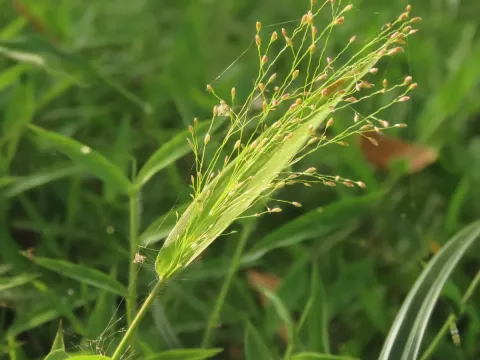
Cyrtococcum
Cyrtococcum
Cyrtococcum is a genus of perennial grasses belonging to the Poaceae family. In tropical climates, these plants often propagate through vegetative growth or self-seeding, forming dense mats of ground cover.
What the section contains


Cyrtococcum
For cultivation purposes, sowing is typically performed at the onset of the rainy season, ensuring the soil retains sufficient moisture for seed germination and initial establishment.
Seeds should be planted at a shallow depth of 1–2 centimeters, as their small size limits the energy reserves available to push through the soil layers.
The optimal temperature range for seedling emergence is between 22 and 28 degrees Celsius, as lower temperatures can significantly hamper the initial growth stages.
Industrial planting methods may involve both direct seeding in prepared beds and the transplanting of divisions taken from established, healthy mother plants.
This culture has high moisture demands and performs best in regions with consistent rainfall or under managed irrigation systems to ensure continuous growth.
Well-drained, fertile loamy or sandy soils with a pH ranging from slightly acidic to neutral provide the most favorable environment for root development.
While the plant thrives under full sun, some species demonstrate a notable tolerance for partial shading, making them adaptable to diverse agroforestry systems.
Balanced mineral nutrition, specifically targeting nitrogen availability, is essential for promoting the rapid vegetative growth required for high biomass production.
Regular cultivation between rows is recommended to enhance soil aeration, minimize compaction, and support the expansion of the fibrous root system.
Cyrtococcum is primarily utilized in agriculture as a high-quality forage crop, providing nutritious pasture for livestock in tropical and subtropical regions.
The grass is valued for its excellent regrowth potential following grazing or mowing, which allows for multiple harvests throughout the active growing season.
The nutritional profile of the biomass is highest before the heading stage, where protein and essential mineral contents reach their peak for animal feed.
Average yield figures depend heavily on management intensity; with proper water and nutrient inputs, the species can sustain high productivity over many years.
Effective management requires rotational grazing schedules, which allow the plant sufficient recovery time to replenish carbohydrates stored in its rhizomes.
Typical threats include fungal pathogens such as rust and various leaf spot diseases, which often proliferate in environments with high humidity and poor airflow.
Insect pests, including aphids and leaf-eating caterpillars, can impact plant vigor by reducing the photosynthetic surface area and stunting overall growth.
Overgrazing or poor management practices often lead to the degradation of the sward, allowing opportunistic weeds to displace the productive grass species.
Integrated pest management strategies are advised, focusing on crop rotation, timely mowing, and the use of biological control agents where possible.
- Seed disinfection prior to sowing.
- Frequent monitoring for early signs of foliar diseases.
- Maintaining optimal soil drainage to prevent fungal growth.
Harvesting for hay or green fodder should occur during the booting stage or the early heading phase to capture the best balance of leafiness and nutrient content.
Cutting height should be maintained at approximately 5–7 centimeters to protect the basal growing points and ensure rapid recovery of the stand.
Collected biomass is typically fed fresh, ensiled, or dried into hay, provided that post-harvest moisture control is rigorously managed.
Effective drying processes are critical during hay production to inhibit mold growth and preserve the high quality of the stored feed for later use.
Following strict harvest schedules is vital for extending the lifespan of the plantation and maintaining high forage quality for the duration of its use.