
Cynodon tenellum
Cynodon tenellum
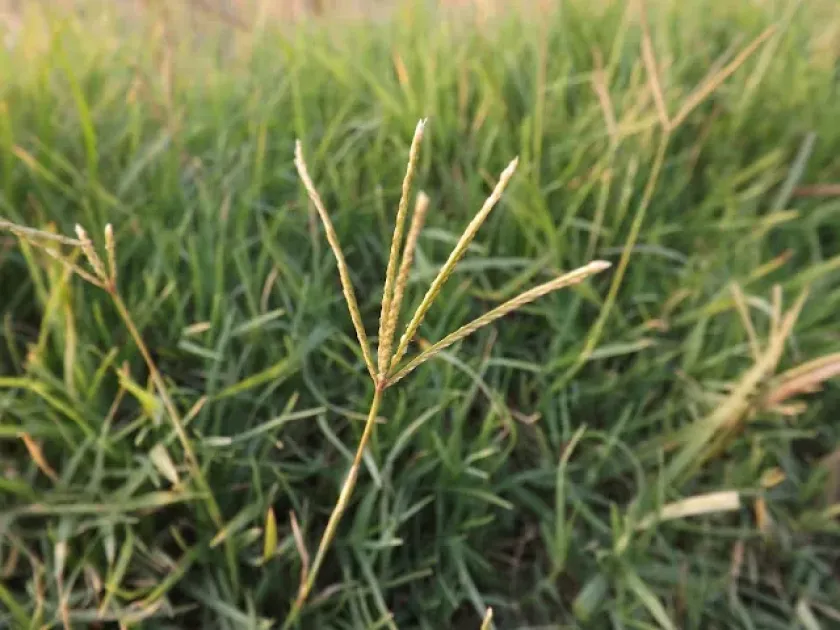
Description
Sowing dates
Cynodon tenellum is a warm-season perennial grass that requires well-warmed soil for successful germination. Sowing should ideally occur when soil temperatures consistently reach 15–18°C to ensure rapid and uniform emergence.
Due to the small size of the seeds, they must be sown at a shallow depth, ideally between 1 and 2 centimeters. Proper seed-to-soil contact is essential for water absorption, which is critical for initiating the germination process.
Vegetative propagation using rhizome segments is a highly effective method for establishing dense stands. Planting should be carried out in early spring or late summer, provided there is sufficient soil moisture to support initial root development.
Seeding rates must be calibrated based on the intended stand density and the plant's natural tendency to spread. Over-seeding can lead to intense competition in the initial stages, slowing down the overall maturation of the turf.
Post-sowing operations, such as light rolling, are highly recommended. This practice improves capillary moisture movement from the deeper soil layers, which significantly increases the success rate of establishment in dry environments.
Growing requirements
Belonging to the Poaceae family, this species demonstrates remarkable adaptability to various soil types, ranging from sandy textures to heavier loams. It possesses a high tolerance for mildly saline conditions, making it useful for land reclamation.
The plant is highly heliophilic and requires full sun to thrive. Excessive shading from canopy cover or neighboring tall weeds will inhibit rhizome activity, leading to thin turf and a significant reduction in overall ground cover.
Cynodon tenellum is known for its exceptional drought tolerance, attributed to its deep-reaching root system. This physiological adaptation allows the plant to survive extended dry periods by tapping into moisture stored in lower soil horizons.
The ideal soil pH for this grass ranges from slightly acidic to neutral. While it can grow in less fertile soils, the application of nitrogenous fertilizers significantly boosts biomass production and helps the plant recover after grazing.
Temperature sensitivity is a defining characteristic of this species. Growth ceases when temperatures drop below 10–12°C, and prolonged frost can cause the above-ground biomass to die back, though the rhizomes remain viable until spring.
Yield
Productivity is closely linked to nutrient availability, particularly nitrogen, and the consistency of irrigation. Under managed conditions with proper fertilization, the species can yield several cuts of forage per season.
Its high resistance to grazing pressure makes it an excellent choice for pasture systems. The dense network of rhizomes creates a durable mat that resists compaction from livestock hooves, ensuring long-term persistence in heavily used areas.
Dry matter yields vary based on environmental factors, but intensive management can significantly increase output. It is most productive when grown in regions with long, warm growing seasons and adequate water supply.
While often used for grazing, it can be harvested for hay. However, due to its low-growing habit, its hay yields are generally lower compared to tall, upright grass species, making it primarily a pasture-focused forage crop.
Early-stage weed management is a critical factor influencing final yield. Once the grass is fully established, its aggressive growth habit allows it to suppress most competitive weed species effectively.
Main diseases and pests
Pathogenic threats include various rust species and powdery mildew, which tend to proliferate during periods of high humidity. These infections can decrease the nutritional quality and palatability of the forage.
Insects such as grass aphids and leafhoppers pose a potential threat to young shoots. Large infestations can stunt plant growth and reduce the overall density of the stand, particularly during the early spring flush.
Root rots are a significant risk factor in poorly drained soils. Excessive water accumulation around the roots promotes decay, leading to bare patches in the field and the subsequent colonization of weeds.
Nematodes are another concern, as they feed on the root system and weaken the plant's ability to uptake nutrients. Chronic nematode infestations often result in stunted, yellowing patches that do not respond to fertilization.
Integrated pest management strategies are essential, as chemical control options are often limited in pasture settings. Maintaining optimal plant health through proper grazing management is the most effective preventative measure.
Harvesting
For hay production, the optimal harvest time is during the full heading stage when the nutritional profile is at its peak. Delaying harvest results in increased fiber content and a significant reduction in protein digestibility.
Rotary mowers are preferred for harvesting the grass, ensuring a uniform cut that promotes quick regrowth. The harvested mass should be dried quickly to preserve color, vitamins, and overall palatability.
Pasture utilization requires a rotational grazing schedule to maximize efficiency. Moving livestock between paddocks allows the grass sufficient rest periods—typically 20 to 30 days—to recover and build up rhizome energy reserves.
Seed harvesting requires specialized equipment adjusted for small seeds. Ideally, harvesting should occur during dry, calm weather to prevent seed loss and minimize the risk of mold formation during storage.
Post-harvest management often involves light fertilization to trigger regrowth. Proper management of these cycles ensures that the stand remains vigorous and productive throughout the entire growing season.