
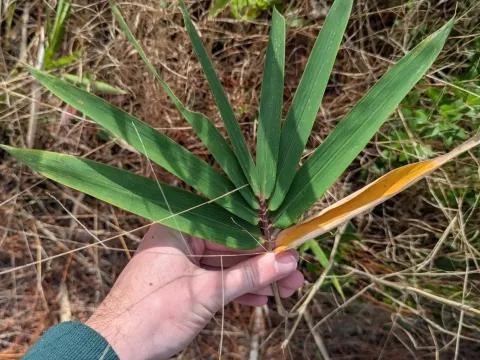
Arundinaria
Arundinaria Michx.
Arundinaria is a genus of perennial, evergreen plants belonging to the Poaceae family, specifically within the bamboo subfamily. These plants are characterized by their vigorous rhizomatous growth and the production of sturdy, hollow culms.
What the section contains

Arundinaria
Originating primarily from North America and parts of Asia, this culture thrives in temperate and subtropical climates. It prefers well-drained, fertile soil enriched with organic matter, maintaining a slightly acidic to neutral pH balance for optimal nutrient uptake.
The plant requires shelter from harsh, drying winds and excessive direct sunlight, especially in warmer regions. Consistent moisture is critical for the plant, and regular irrigation should be practiced during the dry seasons to prevent stress and stunted growth.
Agricultural management involves annual mulching to stabilize soil moisture and provide insulation to the shallow root system. A balanced fertilizer application in the early spring, rich in nitrogen, supports the rapid expansion of new culms during the peak growing season.
Economically, Arundinaria is cultivated for its rapid biomass production, which can be utilized for various crafting purposes, decorative screening, and soil erosion control on steep banks and embankments. It is valued as a versatile plant for both aesthetic and functional landscape roles.
Common health issues in Arundinaria include fungal leaf spots and rust, which are often triggered by overcrowding or poor air circulation. Improving plant spacing and ensuring that the canopy remains dry can significantly reduce the incidence of these fungal outbreaks.
Pests that frequently target this bamboo include spider mites and aphids, which feed on the succulent sap of developing young shoots. Integrated pest management strategies, including the use of horticultural oils or targeted biocontrol, are recommended for maintaining plant health.