
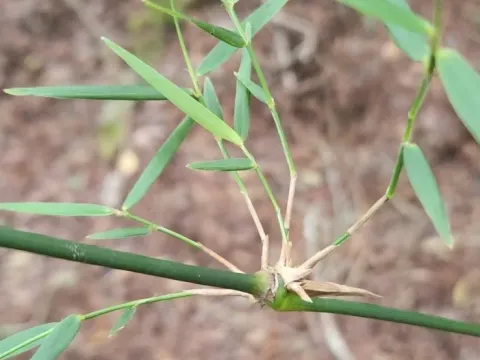
Arthrostylidium
Arthrostylidium
Arthrostylidium is a genus of perennial woody plants belonging to the Poaceae family, specifically the bamboo subfamily. Known for their climbing or scrambling habit, these plants often use surrounding vegetation for support in their native tropical habitats.
What the section contains


Arthrostylidium
The genus originates from the Americas, primarily found in the Caribbean, Central, and South America. They thrive in regions with consistent rainfall and high humidity, favoring montane forests and slopes where water drainage is optimal.
Climate requirements include a frost-free environment with warm temperatures year-round. Arthrostylidium is highly susceptible to cold stress, making it suitable only for tropical or subtropical cultivation areas without significant seasonal fluctuations.
The soil should be nutrient-rich, well-draining, and slightly acidic to neutral. High organic content is beneficial for establishing healthy root systems, which are essential for the rapid development of new culms during the growing season.
Cultivation practices focus on maintaining adequate moisture levels while ensuring proper spacing between plants. Efficient airflow is necessary to prevent the accumulation of humidity within the clumps, which is critical for plant health.
The primary economic use of Arthrostylidium involves the production of lightweight construction materials and handicrafts. Due to the flexibility and strength of the culms, they are widely used for weaving baskets, furniture, and traditional tools.
In addition to manual crafts, the biomass produced by this genus is explored for industrial paper and pulp manufacturing. Its rapid growth cycle provides a sustainable source of raw materials for various local industries.
The plant is also highly valuable for soil conservation projects, particularly in hilly areas prone to landslides. Its dense, mat-forming rhizomes stabilize the soil structure effectively, protecting against erosion caused by heavy rains.
Harvesting involves selective thinning of mature culms to ensure the longevity of the plant clump. Proper harvesting techniques help stimulate new growth and maintain a high yield of high-quality stems for future utilization.
Strategic fertilization, specifically with nitrogen-based nutrients, can significantly boost the production of biomass. Farmers usually manage these stands to ensure that younger shoots are never shaded out by older, decaying canes.
Fungal pathogens remain the most significant threat to Arthrostylidium, often appearing as leaf spots or stem rot when circulation is poor. Excessive moisture and lack of sunlight exposure to the center of the clump are common triggers.
Various species of mites and leaf-eating caterpillars can infest the plants, causing defoliation and weakening the growth potential. Integrated pest management strategies are recommended to maintain plant vitality.
Wood-boring insects may damage harvested stems, reducing the quality of the raw material. Post-harvest treatment and proper drying conditions are essential to minimize losses to storage pests and wood-decaying organisms.
Poor soil fertility or imbalanced mineral levels can make the plants more susceptible to environmental stressors and disease. Regular monitoring of the soil and plant health is crucial to preventing long-term damage to the stands.
Preventive maintenance includes clearing dead or damaged culms from the stand to improve overall aeration. This practice, combined with careful monitoring, helps preserve the health and productivity of the bamboo grove.