
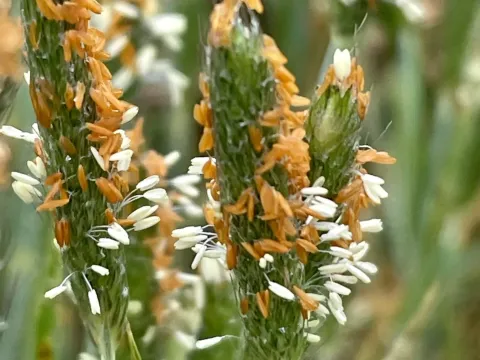
Pacific foxtail
Alopecurus saccatus
Pacific foxtail (Alopecurus saccatus) is an annual grass species belonging to the Poaceae family. Native to the western regions of North America, this plant is specifically adapted to vernal pools and seasonally wet habitats, making it unique among common forage grasses.
What the section contains
Pacific foxtail
The plant thrives in heavy clay soils that retain moisture throughout the spring season. It is particularly successful in environments where other grasses might struggle due to intermittent flooding, demonstrating a remarkable resilience to anaerobic conditions in the soil profile.
Climatic requirements for the species include cool to moderate temperatures and a reliable moisture supply during the germination and tillering phases. Proper management involves ensuring that the soil remains moist but not waterlogged during the critical seedling stage for optimal establishment.
Cultivation practices focus on mimicking the natural disturbance regimes that promote germination. Light soil disruption can enhance recruitment, while maintaining stable soil structure prevents the introduction of invasive weeds that often compete with the Pacific foxtail for available nitrogen.
The main agricultural use for this species is as a forage component in grazing systems located on low-lying, damp terrain. Its ability to provide high-quality forage in otherwise difficult conditions makes it a valuable asset for producers looking to maximize the productivity of wet pastures.
Major botanical threats include rust diseases and powdery mildew, which can develop rapidly if spring conditions remain persistently humid. Management strategies should prioritize crop rotation and the maintenance of appropriate plant density to ensure adequate airflow and reduce disease pressure.
Pest populations, particularly various species of grass aphids and stem borers, can impact the seed set and overall vigor of the crop. Integrated pest management practices, including biological control and monitoring for early signs of infestation, are highly recommended to preserve stand health.