
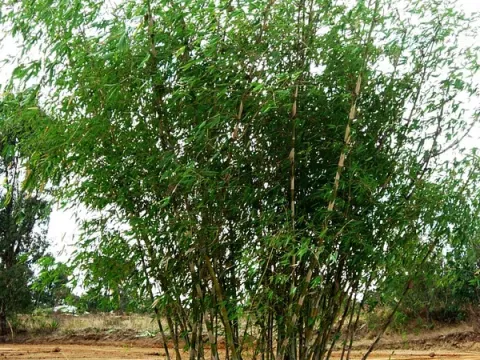
Oxytenanthera
Oxytenanthera
Oxytenanthera is a genus of perennial plants belonging to the Poaceae family, specifically the bamboo subfamily. These plants are known for their rapid growth rates and ability to thrive in tropical and subtropical environments, forming dense, woody clusters.
What the section contains

Oxytenanthera
The native range of this plant includes parts of Africa and Asia, where it is found in diverse habitats, ranging from dense tropical forests to savannah edges. It requires high temperatures and consistent rainfall to achieve optimal development and structural integrity.
Regarding soil requirements, Oxytenanthera prefers deep, fertile, and well-drained soils. While it can adapt to various soil types, it performs best in loam-based substrates that hold moisture without becoming waterlogged, which could lead to root system decay.
Botanically, the plant is characterized by sturdy culms that exhibit significant tensile strength. The leaves are typically lanceolate, forming thick canopies that are effective at mitigating soil erosion and protecting local ecosystems from wind damage.
In terms of agricultural use, this bamboo is highly valued for its woody stems, which serve as a renewable resource for construction, furniture manufacturing, and paper production. It is a key non-timber forest product in many local economies.
Oxytenanthera is susceptible to various fungal pathogens, particularly in humid climates where stagnant air encourages the spread of spores. These infections often manifest as leaf spots or stem blights that can reduce the overall health of the stand.
Pests, such as aphids, scale insects, and specific species of wood-boring beetles, pose a recurring threat. They may feed on the tender young shoots, potentially causing permanent damage to the structural growth of the culm.
Poor management practices, such as excessive stand density, significantly increase the risk of pest and disease outbreaks. Proper thinning is required to ensure adequate airflow and light penetration, which are essential for maintaining plant vigor.
Viral infections can also affect these stands, often spreading through contaminated harvesting equipment. Sanitation protocols during the maintenance of the plantation are crucial to prevent the transmission of these pathogens between plants.
Effective management includes integrated pest management (IPM) strategies, which prioritize environmental health while ensuring that the bamboo plantation remains productive and resilient against seasonal outbreaks.