
Palmarosa
Cymbopogon martini
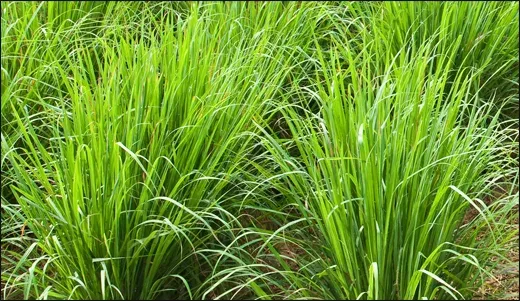
Description
Sowing dates
Palmarosa (Cymbopogon martinii) is typically propagated via seeds or nursery-grown seedlings to ensure robust establishment in the field at the start of the rainy season.
In commercial cultivation, healthy seedlings are transplanted once they reach a height of approximately 15 to 20 centimeters, ensuring vigorous growth.
Proper spacing is essential for high yields, with recommended intervals of 60 centimeters between rows and 30–45 centimeters between individual plants.
As a perennial grass, a single plantation can remain productive for 5 to 7 years, provided the soil remains fertile and the plant density is managed effectively.
Direct seeding is possible but less common; it requires meticulous soil preparation to prevent weed infestation during the sensitive early stages of plant development.
Growing requirements
Palmarosa thrives in tropical and subtropical climates, requiring high temperatures and consistent humidity for optimal accumulation of essential oils.
The crop prefers well-drained loamy or sandy soils with a neutral pH, as it is highly susceptible to root diseases caused by waterlogged soil conditions.
Full sun exposure is crucial for the biosynthesis of geraniol, the primary component of palmarosa oil, making shade-free environments ideal for cultivation.
Regular irrigation is necessary in regions with distinct dry seasons, as sustained moisture levels significantly boost the production of biomass and essential oils.
The plant is sensitive to frost and cannot survive in regions with cold winters, which limits its primary cultivation areas to warm, frost-free climate zones.
Yield
An average plantation can yield between 10 and 20 tons of fresh biomass per hectare, depending on soil quality, climatic conditions, and standard management practices.
The essential oil is extracted through steam distillation, with oil yields typically ranging between 0.5% and 1.2% of the total fresh plant weight harvested.
Regular harvesting and proper fertilization contribute to higher annual yields, allowing farmers to obtain multiple cuttings per growing season effectively.
Quality control during distillation is paramount; maintaining proper steam pressure and temperature prevents the thermal degradation of the delicate essential oils.
Selecting high-yield, disease-resistant cultivars is a fundamental strategy for maximizing the profitability of commercial palmarosa farming operations worldwide.
Main diseases and pests
Palmarosa is generally hardy, yet it remains susceptible to soil-borne pathogens and nematodes that can damage the root system and diminish plant vigor.
Fungal leaf diseases may occur in overly dense plantations or in areas with poor airflow, requiring preventative measures like thinning and proper drainage.
Weed control is the most significant agronomic challenge, as invasive grasses can rapidly outcompete palmarosa during the initial establishment of the field.
While the plant produces natural essential oils that repel many insects, large-scale outbreaks of localized pests can still cause economic damage if ignored.
Integrated pest management strategies are advised, focusing on crop rotation and manual weeding to minimize the need for synthetic chemical interventions.
Harvesting
The optimal harvest window occurs during the full flowering stage, which is when the concentration of essential oil in the leaves and stalks reaches its absolute peak.
Plants are cut at a height of 10–15 centimeters above the ground to encourage rapid regeneration and ensure better regrowth for the subsequent harvest cycle.
Post-harvest handling is critical; processing the biomass within hours of cutting is necessary to prevent significant evaporation of volatile oil components.
On large farms, mechanical harvesters are employed to maximize efficiency and ensure that the harvest is completed during the brief optimal maturity window.
Proper harvest logistics allow for up to three productive cuts per year, making palmarosa an economically viable crop for farmers in suitable tropical regions.