
Ottochloa
Ottochloa
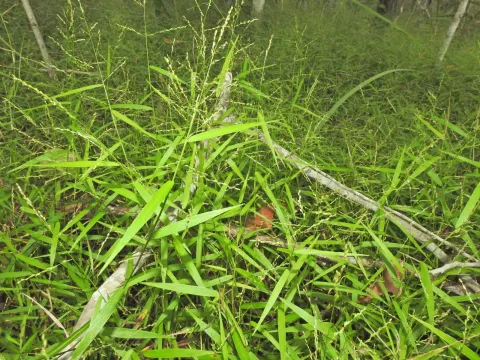
Ottochloa, typically represented by species such as Ottochloa nodosa, is a perennial grass species that flourishes in tropical and subtropical environments.
What the section contains


Ottochloa
The establishment of this crop is most successful at the onset of the rainy season, which provides the necessary soil moisture for rapid root development and establishment.
Propagation can be achieved both through vegetative methods, such as splitting rhizomes, and by seeding, depending on the specific agricultural goals of the farm.
Seeds are relatively small and should be sown with shallow coverage to ensure optimal germination rates without burying the embryos too deep in the soil profile.
Once established, the plant creates a dense mat of vegetation that helps in weed suppression and prevents soil erosion in pasture areas.
This crop belongs to the Poaceae family and is highly valued for its adaptability to a wide range of soil conditions, including acidic and low-nutrient substrates.
Ottochloa demonstrates significant shade tolerance, making it an excellent choice for agroforestry systems, where it can grow effectively beneath tree canopies.
While it is tolerant of poor soils, the plant shows a strong response to nitrogen-based fertilization, which significantly boosts biomass production for feed purposes.
Adequate soil drainage is essential for maintaining plant health, as the root system is sensitive to waterlogged conditions that may persist for extended periods.
The climatic requirement for this grass is centered on high humidity and warm temperatures, as it is susceptible to frost damage in cooler regions.
The biomass yield of Ottochloa is consistent when managed correctly, offering a reliable source of green fodder for grazing livestock throughout the growing season.
It is highly palatable to cattle and other herbivores, which makes it a preferred species for intensive grazing management and forage production systems.
Regular harvesting cycles can significantly increase the total annual yield, provided that sufficient nutrients are returned to the soil via fertilization.
Nutritional analysis suggests a balanced profile of fibers and proteins, which helps maintain the health and weight gain of livestock in tropical pastoral systems.
- High leaf-to-stem ratio.
- Excellent recovery after grazing.
- High tolerance to repeated defoliation.
Ottochloa generally exhibits strong resistance to many common pests and diseases found in tropical grasses, contributing to its low-maintenance profile.
Minor threats may include opportunistic fungal pathogens if the stand is kept too dense or if there is insufficient air circulation during humid periods.
Weed competition can be a major challenge during the early establishment phase, necessitating proper weed control to allow the grass to dominate the field.
Overgrazing should be avoided as it can weaken the plant's root system, potentially opening the canopy to invasive weeds and reducing overall long-term productivity.
Monitoring for insect outbreaks is advisable during transition periods of the season, although significant economic damage is reported only in rare cases.
The harvest strategy for Ottochloa should prioritize the longevity of the perennial stand by allowing for adequate regrowth periods between cuts or grazing sessions.
When mechanical harvesting is employed, the cutting height must be calibrated to protect the nodes, which are essential for the rapid regeneration of the shoots.
For hay production, the drying process should be carefully managed to ensure the retention of leaves, which contain the majority of the plant's nutritional value.
Efficient management practices often involve rotational grazing, which optimizes the utilization of the grass while preventing the depletion of stored energy reserves.
Modern equipment usage facilitates large-scale operations, allowing producers to capitalize on the rapid growth rates of this species during peak rainfall months.