
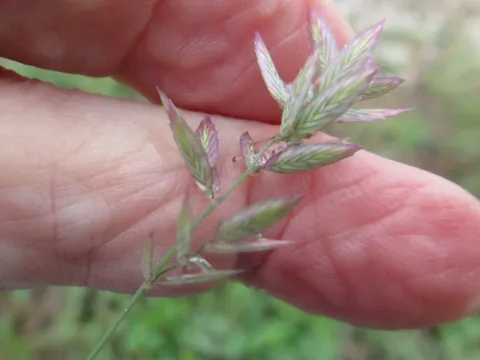
Oxylepis lovegrass
Eragrostis oxylepis
Oxylepis lovegrass is a perennial herbaceous plant belonging to the grass family (Poaceae). In its natural habitat, the species is distributed across the southern regions of North America, where it has adapted to arid and sandy soil conditions.
What the section contains
Oxylepis lovegrass
Sowing should be carried out in the spring when soil temperatures reach 18–20 degrees Celsius. The optimal seeding depth is no more than 1–2 centimeters due to the small size of the seeds, which requires careful preparation of the seedbed.
Successful germination requires good sunlight and the absence of competition from weeds during the early growth stages. Row sowing with wide spacing allows young plants to have adequate access to moisture and nutrients.
Since the seeds have high germination energy under sufficient moisture, it is important to keep the topsoil moist until the first seedlings emerge. Under intensive farming conditions, applying starter doses of phosphorus fertilizers is possible to stimulate root system development.
The optimal seeding rate is calculated based on seed viability and target plant density, averaging about 5–8 kilograms per hectare. Adhering to the sowing schedule allows the plants to establish strong root systems before the onset of extreme summer heat.
This grass species has high temperature requirements, being a heat-loving crop. It tolerates high temperatures and prolonged periods of drought extremely well, making it a promising option for arid regions.
The plant is relatively undemanding regarding soil conditions, although it prefers well-drained sandy or loamy-sand substrates. It is capable of effectively utilizing nutrient-poor soils, demonstrating high ecological plasticity.
For normal crop development, it is critical to avoid areas with waterlogging, as excess moisture can lead to root rot. The preferred soil pH is near neutral or slightly acidic.
The crop responds positively to moderate nitrogen fertilization during the active growing season. However, excessive nutrition may lead to lodging, so fertilizer rates should be calculated based on soil testing results.
The plant is characterized by a high degree of salt tolerance, which allows it to be used for the reclamation of degraded or depleted lands in arid zones. A well-developed root system helps prevent soil erosion on light-textured soils.
The agricultural use of oxylepis lovegrass is focused primarily on high-quality hay production and cattle grazing. It is valued for its palatability at a young stage and high nutritional content of the green mass.
Under favorable conditions, the crop can produce 3–4 cuts per growing season, ensuring stable forage yields. The total volume of green mass depends on water availability and soil fertility.
When used as pasture, it is necessary to strictly manage grazing intensity to avoid overgrazing, which can deplete the plant's nutrient reserves. Periodic rest periods for the stand promote rapid regrowth of shoots.
Using lovegrass allows for the production of forage with high crude protein content, provided it is harvested before the stems become coarse. Timely management maximizes the yield of nutritional units per hectare.
An additional direction for usage is phytoremediation, where the yield is evaluated not only in tons of forage but also in the plant's ability to stabilize the soil. The crop shows longevity, maintaining high productivity in one location for 5–7 years.
The main threats to the crop include specific fungal infections that occur when agricultural management practices are neglected. Excessive air and soil humidity create favorable environments for the development of grass rust.
Among pests, the larvae of various phytophagous insects pose the greatest danger, damaging the root system during active growth. Insect population outbreaks can significantly reduce the overall stand density.
Competition from aggressive weeds in the first year of establishment is a primary threat to obtaining a productive stand. Weed infestation can lead to plant suppression and a significant decrease in potential yield.
Disease prevention includes crop rotation and weed control, which can serve as infection reservoirs. If necessary, authorized fungicides should be applied according to local guidelines.
Pest monitoring is conducted using pheromone traps or visual inspection of the plants. Upon reaching threshold population levels, insecticides are used to prevent widespread damage to the field.
The timing for harvesting lovegrass for hay is determined by the plant's developmental stage, which ensures an optimal balance between biomass quantity and nutritional quality. The best time is during the early boot or heading stage.
Mowing is recommended during dry weather, which facilitates fast drying and preserves the vitamin content of the forage. Tedding helps improve aeration and speeds up the moisture removal process from the grass.
For hay production, sickle-bar or mower-conditioners are used to damage the stems, facilitating moisture release. After drying to the desired moisture level, the material is baled for subsequent storage.
When harvesting for seeds, it is important to monitor the maturity level of the panicles to avoid mass grain shattering during mechanical operations. Harvesting seed plots is best performed by direct combining at full maturity.
Well-organized harvesting ensures not only quality forage but also provides conditions for effective regrowth. Maintaining a cutting height of at least 5–7 centimeters is critical for preserving plant growing points.