
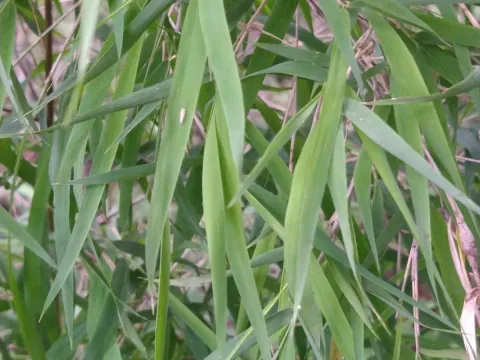
Otatea
Otatea
Otatea is a genus of perennial evergreen plants belonging to the grass family (Poaceae), commonly known as Mexican weeping bamboo. These plants are native to Mexico and Central America, where they grow in diverse ecosystems ranging from tropical forests to arid slopes.
What the section contains

Otatea
The culture thrives in climates with high sun exposure and mild temperatures. Unlike many other bamboo species, Otatea is remarkably drought-tolerant once established, making it a sustainable choice for water-conscious gardening and specialized cultivation.
Ideal soil conditions involve well-drained, fertile sandy loam or silty soil with a neutral pH. The plant cannot tolerate waterlogged soils, as this leads to root suffocation and decay, necessitating effective drainage management in the plantation field.
Botanically, Otatea is characterized by its clumping habit, meaning it does not spread aggressively like running bamboos. The culms are slender, and the delicate, weeping foliage gives the plant a graceful appearance that is highly sought after in professional landscaping.
Regarding climate, the plant requires protection from severe frost. While it can survive light freezes, temperatures consistently dropping below -5 degrees Celsius can damage the foliage and hinder future growth, necessitating greenhouse protection in colder regions.
Otatea is generally resilient against many common crop diseases; however, root rot remains the primary threat during the rainy season or in poorly drained sites. Implementing a rigorous irrigation schedule is essential for disease prevention.
Pests such as spider mites and scale insects often infest the plant, particularly in sheltered environments or dry climates. Regular monitoring and the application of systemic acaricides are necessary to keep these pest populations under control.
Fungal leaf spots can occur when air circulation within the cluster is restricted. Pruning the center of the clump and removing dead or crowded stalks helps improve ventilation and reduces the likelihood of fungal outbreaks.
Nutrient deficiencies, specifically nitrogen and iron, result in chlorosis, which causes the vibrant green foliage to yellow. A balanced fertilizer program should be implemented to ensure the plant maintains its vigor throughout the peak growing season.
Physical damage to the young shoots can lead to vulnerability against stem borers. Maintaining clean plantation rows and using physical barriers or biological controls can significantly reduce the risk of infestation during the initial growth stages.
The economic value of Otatea lies in the production of thin, flexible, and strong culms. These are traditionally used for weaving, handicraft production, furniture making, and various decorative applications in the artisanal sector.
Harvesting is traditionally performed during the dormant winter period when moisture content in the canes is at its lowest. This minimizes the risk of cracking and rotting, ensuring the highest quality of the raw material for market distribution.
Workers use sharpened tools to selectively harvest mature canes that are at least 3 to 4 years old. This selective harvesting approach promotes continuous growth and long-term sustainability of the clump without compromising its structural integrity.
Post-harvest, the culms are air-dried in a sheltered area away from direct sunlight. This slow drying process prevents shrinkage and warping, allowing the bamboo to retain its natural flexibility and aesthetic appeal for final processing.
As the demand for sustainable, natural materials increases, Otatea cultivation provides a profitable niche for specialized agriculture. Its growth habit and material quality make it a reliable crop for producers focusing on eco-friendly raw material supplies.