
Spike bentgrass
Agrostis exarata
Spike bentgrass (Agrostis exarata) is a perennial grass species belonging to the Poaceae family. Native to North America, this plant is found across a diverse range of environments, from coastal plains to high-altitude mountain meadows.
What the section contains
Spike bentgrass
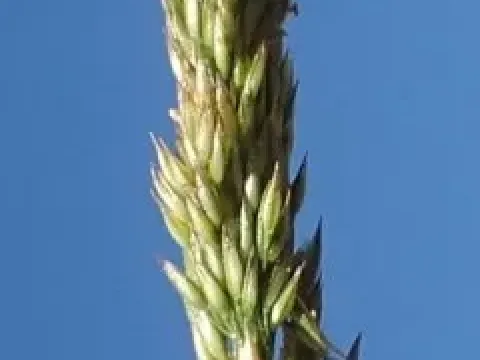
Botanically, it is a bunch-type grass characterized by slender stems that grow up to 100 cm tall and distinctive narrow, panicle-like inflorescences. Its growth habit allows it to establish quickly in open areas and disturbed soils.
Regarding site requirements, this species thrives in moist to well-drained soils. It exhibits excellent adaptability to varying pH levels and is often utilized in areas where other forage grasses may struggle to survive.
Climatic requirements involve a preference for cool-season conditions, where the plant demonstrates significant hardiness. It is well-suited for temperate regions that experience regular rainfall throughout the growing season.
The agricultural importance of spike bentgrass lies in its use as a high-quality forage crop and for soil stabilization. Its dense root system makes it an ideal candidate for erosion control on slopes and in wetland restoration projects.
The plant is susceptible to common grass pathogens, including various species of rust (Puccinia) and powdery mildew, which can significantly impact foliage quality if the canopy density becomes too high.
In terms of insect pests, aphids and grass-feeding beetles can pose a threat, particularly during early growth stages, leading to stunted development and reduced overall biomass production.