
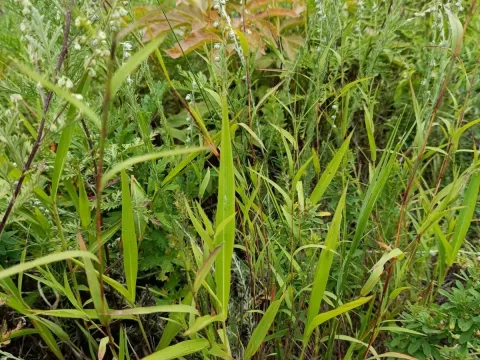
Spodiopogon
Spodiopogon Trin.
Spodiopogon is a genus of perennial grasses belonging to the Poaceae family. Native primarily to East and Southeast Asia, these plants are known for their distinct ornamental value and botanical resilience.
What the section contains

Spodiopogon
The plant thrives in well-drained, fertile soils that are rich in organic matter. While it is adaptable to various soil types, maintaining a moisture level that prevents waterlogging is critical for healthy root development.
Spodiopogon prefers locations with ample sunlight or light shade. Adequate solar exposure is essential for the plant to maintain its structural integrity and achieve the vibrant foliage colors typical of the genus.
Climatic requirements involve protection from harsh, drying winds, especially during the early stages of growth. While relatively hardy, they benefit from winter mulch in regions prone to severe frost to protect the dormant root system.
Cultural practices include regular soil aeration and weed control, especially during the first growing season. Consistent, moderate irrigation is recommended, particularly during prolonged dry spells, to support vigorous growth.
The primary use of Spodiopogon is in ornamental landscaping, where it is highly valued for its vertical habit and late-season interest. It is effectively used as a structural element in mixed perennial borders.
Productivity in a landscape setting is measured by the density of the clumps and the longevity of the inflorescences. Proper nutrient management during the spring flush significantly enhances the plant's overall aesthetic and biomass.
While not a major commercial forage crop, its biomass production can be robust under ideal conditions. The grass is known for its ability to stabilize soil, making it a functional choice for erosion control on slopes.
Propagation is commonly achieved through division of the root clumps or seed sowing. Division ensures that the offspring maintain the characteristics of the parent plant, which is advantageous for landscaping consistency.
As an agricultural asset, it contributes to biodiversity and soil health. Its extensive root system helps in managing soil structure, making it a beneficial component in sustainable landscape restoration projects.
The most significant threats to Spodiopogon include root rot diseases, which are typically triggered by poor drainage or excessive soil moisture. Proper site preparation is the most effective preventative measure.
Fungal diseases like powdery mildew can affect the foliage during periods of high humidity and poor air circulation. Ensuring adequate spacing between individual plants is vital for reducing the incidence of these pathogens.
Pests such as aphids can cause damage by feeding on the sap of tender new shoots. Regular monitoring of the foliage allows for early intervention, often preventing the need for extensive chemical treatments.
Nematodes may pose a risk in areas with heavy, compacted soil. Practicing crop rotation and avoiding over-watering help maintain a healthy environment that is less conducive to the proliferation of such soil-borne pests.
Sanitation is a key aspect of pest and disease management. Removing dead plant material and debris at the end of the season reduces the habitat for potential pathogens, ensuring a healthier start for the next cycle.