
Sphaerocaryum
Sphaerocaryum
Sphaerocaryum is a genus of annual grasses belonging to the family Poaceae. This botanical group is primarily known for its unique structural characteristics within the tribe Paniceae, which includes several economically significant cereal crops grown globally.
What the section contains

Sphaerocaryum
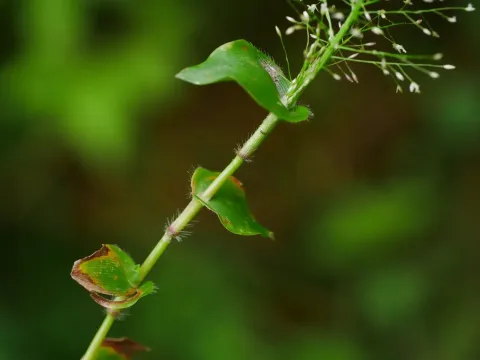
The morphology of the plant is defined by its slender, herbaceous habit and characteristic spherical fruit structures. These rounded seeds are the primary identifier for the genus, distinguishing it from other closely related grass species in its native range.
Regarding its environmental requirements, Sphaerocaryum thrives in tropical and subtropical climates where humidity remains high throughout the growing season. It requires consistent solar radiation and does not possess traits associated with cold tolerance or frost resistance.
Soil quality plays a vital role in the development of this grass. It prefers well-drained, nutrient-rich soils that can retain moisture without becoming waterlogged. The species is highly sensitive to abiotic stressors, particularly drought, which can significantly stunt its vegetative growth.
From an agricultural standpoint, Sphaerocaryum is largely considered a wild or semi-cultivated resource. It serves as a component of local grazing lands and is studied by botanists primarily for its genetic relationship to major food crops and its role in regional biodiversity.