
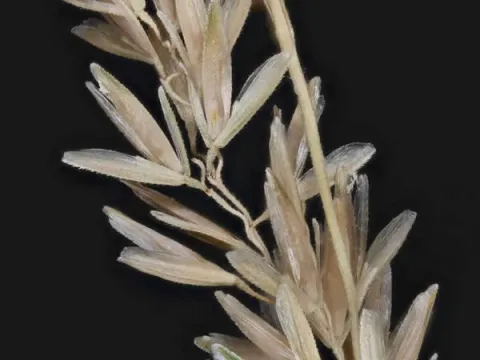
Sphenopholis
Sphenopholis
Sphenopholis, commonly known as wedgegrass, is a genus of perennial grasses belonging to the family Poaceae. This genus is native to North America and typically thrives in meadows, prairies, and open woodlands.
What the section contains

Sphenopholis
The plant demonstrates a preference for moist, well-drained soils, often appearing in areas with consistent moisture levels. It shows remarkable adaptability to various light conditions, though it performs best in full to partial sun.
Soil requirements for optimal growth include a neutral pH and high organic matter content. It establishes well in loamy soils where drainage is sufficient to prevent prolonged waterlogging of the root system.
Agronomic management requires thorough seedbed preparation due to the small size of the seeds. Shallow planting depth is crucial to ensure successful germination and early establishment of the stand.
The plant exhibits good tolerance to moderate cold, making it suitable for temperate regions. Adequate nitrogen application during the spring growth phase is essential for maximizing biomass production.
Sphenopholis is highly valued in forage production for its palatability and nutritional content. It is effectively used as a component in hay mixes or as grazing pasture for livestock.
The yield potential is largely dictated by environmental conditions and management intensity. When provided with sufficient moisture and nutrients, it produces high-quality foliage throughout the growing season.
Harvesting for hay should be timed before the plants reach full seed maturity to optimize protein levels in the cured fodder. Multiple harvests per year are possible under optimal management practices.
The grass is also useful in environmental restoration projects. Its root structure provides soil stability, making it an excellent choice for erosion control on slopes and stream banks.
Integrated use within grassland management programs helps maintain botanical diversity. It serves as an excellent companion species that enhances the overall resilience of the pasture ecosystem.
Fungal diseases, particularly rusts and powdery mildew, represent the primary threat to Sphenopholis during periods of high humidity. Proactive monitoring is necessary to prevent significant foliar damage.
Pests such as aphids and various grass-feeding insects can stress the plants during the vegetative phase. Implementing an integrated pest management (IPM) approach is recommended for healthy crops.
Competition from aggressive weed species can impede establishment in the first year. Weed control strategies, whether mechanical or chemical, must be applied with precision to avoid harming the seedlings.
Poor drainage can increase susceptibility to crown and root rot, which may decimate local populations. Ensuring the field has appropriate surface drainage is a standard preventive measure.
While generally hardy, extreme winter conditions without sufficient snow cover may cause minor winter-kill in exposed fields. Site selection remains a critical factor for long-term stand longevity.