
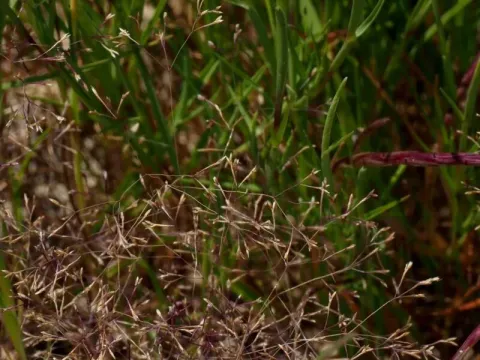
Sphenopus
Sphenopus
Sphenopus is a genus of annual grasses within the Poaceae family, known for its remarkable ability to thrive in highly saline environments. Unlike major cereal crops, Sphenopus is primarily a wild species that serves as an indicator of hypersaline soils in arid and semi-arid regions.
What the section contains
Sphenopus
The distribution of this grass spans across coastal salt marshes and desert depressions in the Mediterranean basin and parts of Central Asia. Its natural habitat is characterized by poor soil quality, where high salt concentration prevents the growth of standard agricultural vegetation.
Botanically, Sphenopus is distinguished by its small, paniculate inflorescences and delicate structure. These features allow the plant to complete its reproductive cycle rapidly, taking full advantage of the limited periods of moisture availability in its native desert-like environments.
The plant requires specific soil conditions, thriving in solonchaks where mineral content is extremely high. It has evolved sophisticated physiological mechanisms to maintain osmotic balance, allowing it to survive where most agricultural plants would face lethal dehydration.
Its хозяйственное use is largely focused on wild forage for livestock in extensive pasture systems. As the demand for salt-tolerant vegetation increases, Sphenopus is studied for its genetic potential in improving soil restoration and developing resilient crop varieties.
Sphenopus is remarkably resilient to many common cereal diseases. Its unique metabolic pathway, optimized for saline environments, creates a chemical profile that discourages many fungal pathogens, such as rusts and powdery mildew, which typically plague wheat and barley.
The grass is rarely targeted by major agricultural pests. Its specialized tissues and high mineral concentration make it less palatable and nutritious for common insects, providing a natural defense against widespread infestations that threaten more succulent crop species.
The primary threats to the species are habitat destruction and changes in land use patterns. As regions with high soil salinity are reclaimed or heavily grazed, the natural population of Sphenopus faces pressure from over-exploitation and loss of biodiversity in its niche habitats.
Climate change and desertification processes impact the species in complex ways. While it is adapted to dry conditions, extreme fluctuations in soil moisture can disrupt its germination cycles, potentially affecting the long-term stability of its presence in the ecosystem.
Scientific monitoring of the species remains essential to preserve its genetic pool. By studying its resistance traits, researchers hope to uncover biological keys that can enhance the salinity tolerance of commercial cereal crops, contributing to future food security in arid climates.