
Spodiopogon
Spodiopogon
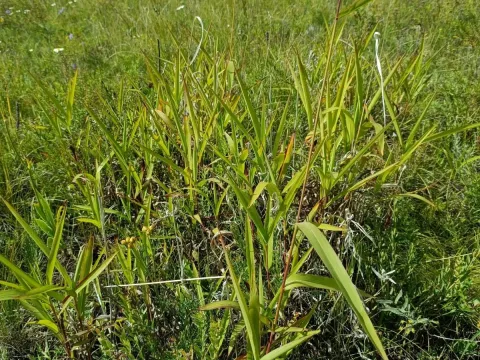
Spodiopogon is a genus of perennial herbaceous plants belonging to the Poaceae family. Among its representatives, Spodiopogon sibiricus is the most widely cultivated species, prized for its elegant architectural form and late-season foliage color.
What the section contains
Spodiopogon
The natural habitat of this plant includes regions of East Asia, such as the Russian Far East, China, Japan, and the Korean Peninsula. In the wild, these grasses typically grow on forest edges, among shrubs, and in moderately moist meadows.
To successfully cultivate the plant, it requires a sunny location or light partial shade. While it is adaptable to various lighting conditions, protection from intense midday sun is beneficial in warmer climates to preserve the vivid color of the leaves.
Spodiopogon prefers fertile, well-drained, and moderately moist loamy soils. Good drainage is crucial, as waterlogging during the winter season can cause root rot, significantly damaging the plant's health and vigor.
The plant is highly winter-hardy and well-suited for temperate climates. During the active growth season, it requires regular watering, especially in dry summer months, to maintain the volume and beauty of its foliage.
The primary method for propagating Spodiopogon is vegetative division. The best time to divide the clumps is early spring as new shoots begin to appear, or early autumn before the onset of hard frost.
Propagation from seed is also possible but requires more patience as the plants develop slowly. Seeds can be sown outdoors in autumn or indoors in early spring, ideally following a period of cold stratification to improve germination rates.
When planting, it is important not to bury the root crown; it should be level with the soil surface. Spacing should be approximately 50–70 cm between plants, allowing sufficient room for the grass to develop its natural arching habit.
Immediately after planting, the root zone should be watered thoroughly. Applying a layer of mulch helps retain soil moisture and prevents overheating, which is especially important for young plants establishing their root systems.
Regular rejuvenation of established clumps every 4–5 years is recommended to keep the plant vigorous. Division prevents the center of the clump from dying out and ensures continued healthy growth in the following seasons.
Spodiopogon is cultivated primarily as an ornamental grass, so there is no agricultural harvest in the food sense. In autumn, the foliage transitions to beautiful shades of bronze and purple, adding significant value to the late-season landscape.
The foliage should be cut back only in the early spring, just before the new growth starts. Leaving the dry stems over the winter protects the crown of the plant from cold temperatures and prevents excess moisture from settling into the root base.
In landscape design, Spodiopogon serves as an excellent focal point in mixed borders or naturalistic gardens. Its feathery panicles look stunning against a backdrop of conifers or alongside other perennial grasses.
Cut panicles can be used in floral arrangements, including dried bouquets. For this purpose, the material should be harvested when the panicles are fully mature, soft, and have reached their peak color.
After the spring cleanup, gently loosening the soil around the plant and applying a balanced fertilizer can help stimulate rapid spring growth and strengthen the plant's overall resilience.
This grass is remarkably resistant to diseases and pests, making it a great choice for low-maintenance gardening. Most problems occur due to poor cultural practices rather than inherent susceptibility to pathogens.
Excessive soil moisture coupled with poor drainage can lead to root rot. To mitigate this risk, ensure the planting site has good soil aeration and avoid low-lying areas where water might pool after rain or melting snow.
Occasionally, sucking insects like aphids or spider mites may appear during hot, dry weather. If a significant infestation occurs, standard insecticidal or acaricidal treatments applied according to the label can be used.
Rodents may cause damage to the roots during the winter months, especially in areas with deep snow cover. Using protective mesh or repellent methods can help safeguard young plants in susceptible areas.
The best preventative strategy is proper site selection and maintaining good air circulation around the plants. Keeping the area free of weeds and monitoring for early signs of stress helps maintain a healthy plant year-round.