
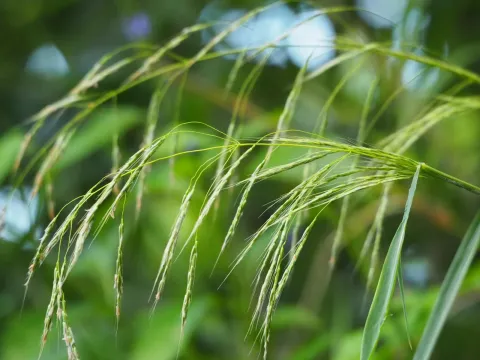
Spodiopogon cotulifer
Spodiopogon cotulifer
Seed propagation of Spodiopogon cotulifer typically begins in early spring once soil temperatures reach a consistent 12–15 degrees Celsius. Seeds require a period of cold stratification, lasting approximately 4 to 6 weeks, to break dormancy and ensure uniform germination across the field.
What the section contains
Spodiopogon cotulifer
When sowing directly into the ground, seeds should be placed at a very shallow depth, no more than 0.5–1 centimeter, as they require light to germinate efficiently. Proper soil contact is essential, and covering the seeds with a very thin layer of fine soil or vermiculite helps maintain the necessary moisture.
Commercial production often utilizes seedling trays in greenhouses, which allows for better climate control and higher success rates. Young plants are then transplanted into the field after the danger of late spring frosts has completely passed, ensuring the crop has a stable environment to establish its roots.
Spacing is a critical factor for healthy development, with recommended intervals of 50–60 centimeters between plants. Providing enough space reduces competition for soil nutrients and sunlight, allowing each individual clump to reach its full productive potential during the first growing season.
Irrigation immediately following transplantation is vital for survival. Providing consistent moisture during the first few weeks helps the root system penetrate the surrounding soil, making the plant more resilient against future dry spells and environmental stress throughout the season.
As a member of the Poaceae family, Spodiopogon cotulifer thrives in temperate regions, preferring open, sunny locations. While it can tolerate partial shade, full sun exposure is necessary to stimulate the densest growth and most vibrant coloration of the foliage throughout the year.
The ideal soil for this grass is loose, well-draining loam with a neutral to slightly acidic pH. Avoiding compacted or waterlogged ground is essential, as the roots are sensitive to excess moisture, which can lead to root rot and inhibit the plant's overall health and productivity.
This grass is well-adapted to cold climates but appreciates a protective layer during the winter. Leaving the dry foliage intact until the following spring acts as a natural insulation for the crown, protecting it against freezing temperatures and rapid moisture loss during the colder months.
Balanced mineral fertilization at the beginning of the active growth phase is recommended to support biomass production. Nitrogen is particularly important for leaf development, while phosphorus and potassium contribute to the overall structural integrity of the stems and root systems.
Agricultural management should prioritize weed control in the early growth stages. Keeping the surrounding area clear of invasive species allows the grass to establish dominance, reducing the need for aggressive manual intervention later in the summer as the plant fills in the space.
Spodiopogon cotulifer is naturally robust and exhibits strong resistance to common grass diseases. Its structural resilience makes it an excellent choice for low-input farming, as it does not typically require intensive fungicide applications to maintain healthy foliage and stem growth.
In cases of poor soil drainage, the primary concern is the risk of fungal root pathogens. Improving soil aeration through light cultivation and ensuring adequate drainage pathways can effectively mitigate these risks without the need for chemical soil treatments.
Insect pests are generally not a major issue for this crop, though underground larvae, such as wireworms, may occasionally damage the root system. Integrated pest management strategies, such as crop rotation, are usually sufficient to maintain populations at a manageable level.
Occasional leaf-chewing insects may appear during the peak heat of summer, but damage is rarely significant enough to impact the overall yield. Regular scouting during the early morning hours provides the best opportunity to monitor for any localized infestations that might require attention.
Maintaining a clean field environment by removing plant debris at the end of the season prevents pests and diseases from overwintering. By following these basic sanitation practices, farmers can sustain healthy crop cycles and ensure long-term productivity for the grass.
The timing of the harvest is determined by the intended use of the crop, whether it is for biomass/forage or seed collection. For forage, cutting should occur just before the flowering phase to ensure the nutritional quality of the stems is at its peak before the plant becomes too fibrous.
If the goal is seed production, harvest must be carefully timed to coincide with the full maturity of the seed heads. Once the plumes change color and the seeds start to detach naturally, they should be collected promptly to prevent significant yield losses due to shattering.
Dried biomass from this species is highly valued in the decorative and floricultural industries, particularly because of the bronze and copper hues the stems develop in late autumn. Proper drying in a ventilated area is crucial to preserve both the structural integrity and the color of the material.
Seeds should be stored in cool, dry conditions with adequate air circulation to maintain viability. Using breathable storage containers helps prevent the buildup of humidity, which is the primary cause of spoilage and reduced germination rates over longer periods of storage.
Post-harvest soil management involves clearing remaining stalks and lightly tilling the topsoil to incorporate organic matter. This practice prepares the field for the next growth cycle, improves soil structure, and helps conserve moisture for the upcoming season's vegetation.