
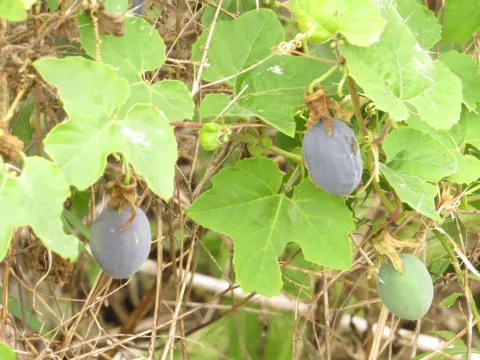
Passiflora morifolia
Passiflora morifolia
Passiflora morifolia belongs to the Passifloraceae family and is recognized as a vigorous climbing vine. Propagation is typically achieved through seeds or stem cuttings during the early spring season.
What the section contains
Passiflora morifolia
Seeds require scarification or soaking in warm water to improve germination rates due to their hard seed coat. Sowing should take place in a nutrient-rich seed starter mix kept at consistent temperatures.
The optimal depth for planting seeds is approximately 1 centimeter. Maintaining a steady humidity level is essential during the initial stages of germination to ensure successful sprout development.
Seedlings should be kept in a well-lit environment but protected from direct sunlight to prevent drying out. As they grow, they require transition periods to acclimate to higher light levels.
Transplanting into final containers or open soil should only occur after the danger of frost has passed, as this species is sensitive to sudden cold snaps.
This species thrives in bright, indirect light, making it suitable for greenhouses or solariums. Excessive direct sunlight can scorch the leaves and stunt the growth of the vine.
Soil requirements involve a well-draining, slightly acidic medium rich in organic matter. A mixture of loam, peat, and perlite provides an ideal balance of nutrients and structural stability for the roots.
Watering must be regular, ensuring the soil remains moist but not waterlogged. Reduced watering cycles during the dormant winter period are crucial for the long-term health of the plant.
Humidity is a significant factor; maintaining levels above 60% helps prevent physiological stress. Misting the foliage is an effective practice for indoor gardening environments.
Vertical supports are mandatory for the growth of this vine, as it utilizes tendrils to climb. Regular pruning is recommended to manage plant size and encourage better flowering density.
Spider mites are the most prevalent pest affecting Passiflora morifolia, particularly in dry and warm indoor conditions. They cause yellowing leaves and webs across the foliage.
Mealybugs are another common concern, often hiding in leaf axils. Physical removal combined with horticultural soaps or neem oil applications is the standard protocol for control.
Root rot caused by overwatering or poor soil drainage can be fatal. It is characterized by wilting leaves and dark, mushy stems that signal significant distress in the root system.
Whiteflies can infest the plant, spreading rapidly in closed greenhouse conditions. Regular monitoring and the use of sticky traps can mitigate the impact of these pests.
Maintaining good air circulation and avoiding crowded plant arrangements are the best prophylactic measures against both fungal pathogens and various insect infestations.