
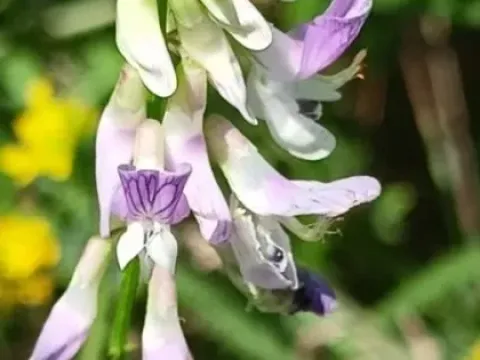
Pectinate vetch
Vicia pectinata
Pectinate vetch, scientifically known as Vicia pectinata, is a member of the Fabaceae family. This herbaceous plant is valued in agricultural systems for its nitrogen-fixing capabilities and its potential contribution to sustainable crop rotations.
What the section contains
Pectinate vetch
The optimal sowing time for this culture is early spring, once the soil temperature is sufficient to support germination. Early planting helps the crop establish a robust root system before the onset of summer heat and moisture stress.
The plant thrives in well-structured, loamy, or sandy-loam soils. It requires adequate drainage to prevent root issues, as waterlogged conditions can inhibit the nitrogen-fixing bacteria that are essential for the plant's health.
Planting density is crucial for maximizing yield. A standard drill seeding method with rows spaced 15 to 20 centimeters apart is typically recommended to allow for optimal canopy development and resource competition.
Preparation of the seedbed is equally important. Fine-textured soil that is free from large clods ensures uniform seed-to-soil contact, which translates into more consistent emergence across the field and better weed suppression.
Pectinate vetch is well-adapted to temperate climates, showing moderate resistance to late spring frosts. It prefers cool, moist conditions during the early stages of its growth to reach its full vegetative potential.
Adequate sunlight is necessary for optimal photosynthesis, which drives both growth and nitrogen fixation. While the plant can tolerate light shade, maximum biomass production is achieved in full-sun environments.
Nutrient requirements include balanced levels of phosphorus and potassium. Soil testing prior to sowing is advised to determine if any supplemental fertilization is necessary to support the plant's metabolic processes.
Crop rotation strategy is vital when managing this species. It should not be planted consecutively on the same plot with other legumes, as this can increase the population of host-specific soil pathogens and insect pests.
Weed management is a priority during the first few weeks after sowing. Given the relatively slow initial growth rate compared to some weeds, early cultivation or targeted herbicide application can protect the crop's establishment.
The yield of Pectinate vetch is highly responsive to favorable weather conditions and well-managed agricultural practices. As a high-protein fodder crop, it provides substantial value in livestock feeding programs.
Nutritional quality is at its peak when the plant is harvested during the early flowering stage. This timing ensures a high protein content and digestibility, making it an excellent source of feed for ruminants and other herbivores.
Beyond its use as a direct feed, the crop acts as a natural fertilizer. The residues left in the field after harvest contribute significant nitrogen to the soil, which helps reduce the input requirements for the following crops in the rotation.
Seed production for this vetch species is feasible in regions where the season allows for full maturity. Proper management of harvest time prevents yield loss from pod shattering and seed dispersal on the ground.
Overall farm productivity is improved by integrating such legumes into the crop sequence. This helps maintain soil structure and organic matter, creating a more resilient ecosystem for subsequent harvests.
Common diseases affecting this legume include anthracnose and various types of rusts. These fungal infections are particularly prevalent during seasons with high humidity and poor air circulation within the canopy.
Insect pests, such as aphids and clover root weevils, can negatively impact yield if not monitored. Aphid infestations, in particular, can facilitate the spread of viral pathogens, making timely control essential.
Root rot caused by soil-borne fungi is another threat, especially in soils that remain cold and wet for extended periods. Adopting strict sanitation practices and high-quality seed selection reduces the prevalence of these pathogens.
Integrated pest management (IPM) is the most sustainable approach for controlling threats. By balancing biological controls with preventative cultural practices, producers can minimize the need for synthetic chemical treatments.
Plant vigor plays a critical role in resistance. By ensuring the crop is provided with optimal soil nutrients and avoiding compaction, the plants become inherently more resistant to external stressors and disease outbreaks.
Harvesting for green fodder is recommended during the early flowering phase. This phase provides the best balance between total biomass volume and the nutritional density of the plant parts, particularly the leaves.
For hay production, it is important to cut the crop and allow it to dry efficiently. Mechanical tedding helps maintain moisture uniformity throughout the swath, which prevents mold and preserves the green color of the fodder.
Seed harvesting should be timed for when the pods reach full physiological maturity. Using a combine with adjusted settings minimizes mechanical damage to the seeds and ensures high germination rates for future planting.
Post-harvest handling is critical for long-term storage. Seeds must be cleaned and dried to a moisture content that ensures stable storage conditions, free from the risk of spoilage or degradation by insects.
Ultimately, the efficiency of the harvest determines the final profitability of the crop. Proper planning, machinery maintenance, and attentiveness to weather forecasts are the keys to a successful harvest cycle for Pectinate vetch.