
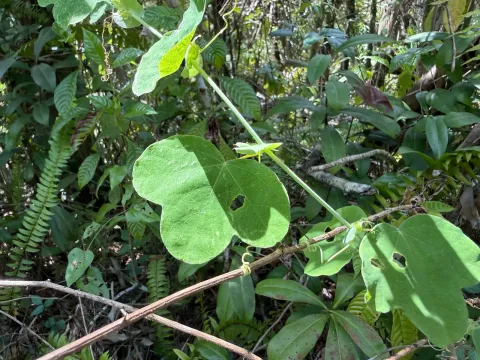
Passiflora pallens
Passiflora pallens
Passiflora pallens is a notable species within the Passifloraceae family. Native to the Caribbean, this climbing vine is adapted to tropical and subtropical environments, featuring distinctive floral morphology.
What the section contains
Passiflora pallens
The plant thrives in well-draining, nutrient-rich soils. It is essential to ensure that the substrate is loose enough to prevent waterlogging, which is a major cause of root death in this species.
Cultivation requires significant exposure to sunlight for optimal growth and flowering. However, in regions with intense solar radiation, partial shade during the hottest hours of the day is recommended.
Temperature management is vital, as this plant is not frost-tolerant. It performs best in consistent temperatures ranging from 22 to 28 degrees Celsius, mimicking its native habitat.
Agricultural techniques include establishing strong trellising systems to support the vigorous vine growth and maintaining high ambient humidity through regular irrigation or misting.
Spider mites are the most persistent pest for Passiflora pallens, particularly in indoor conditions where humidity is often insufficient to deter them.
Mealybugs and aphids frequently attack the tender growth tips and flower buds, necessitating careful monitoring and application of insecticidal soaps or oils.
Fungal infections, primarily root rot and damping-off, are frequent issues in poorly drained soil, requiring strict control over irrigation frequency and volume.
Leaf spot pathogens can spread rapidly in crowded conditions with poor air circulation, emphasizing the importance of proper plant spacing and sanitation.
Maintaining plant health involves routine pruning to remove dead or diseased foliage, which significantly reduces the pressure from pests and soil-borne diseases.