
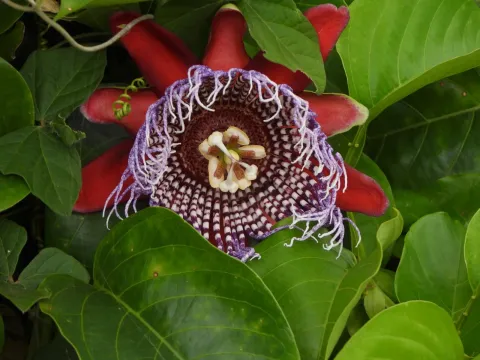
Passiflora decaisneana
Passiflora decaisneana
Sowing Passiflora decaisneana seeds is best performed in early spring to utilize the natural increase in day length. Seeds should be soaked in lukewarm water for 24 hours to soften the hard seed coat and improve germination rates.
What the section contains
Passiflora decaisneana
The planting medium should consist of a light, well-draining mix of peat moss, perlite, and coarse sand. Seeds should be buried at a depth of about 1 centimeter and kept in a consistently warm environment between 25 and 30 degrees Celsius.
Germination is often irregular and can take anywhere from several weeks to a few months, depending on seed freshness. A heating mat can be used to maintain stable soil temperatures and accelerate the emergence of seedlings.
Once seedlings have developed their first set of true leaves, they should be carefully transplanted into individual pots. It is crucial to handle the seedlings with extreme care, as their root systems are sensitive and prone to shock.
Provide young plants with plenty of indirect light and gradually acclimate them to direct sunlight as they grow stronger. Supporting the main stem with a small stake will help the young vine develop a proper growth habit.
Passiflora decaisneana is a member of the Passifloraceae family and thrives in tropical and subtropical conditions. It requires high temperatures and consistent warmth to reach its full vegetative and reproductive potential.
Sunlight is a critical factor for successful cultivation; the plant prefers full sun exposure to ensure robust growth and continuous flowering. If grown indoors, a south-facing window or supplemental grow lights are necessary to meet its needs.
The soil must be fertile, rich in organic matter, and possess excellent drainage to prevent root rot. A pH range of 6.0 to 7.0 is ideal, ensuring that nutrients like iron and magnesium are readily available for plant uptake.
Regular watering is essential, especially during the peak of the growing season, though the soil should never become waterlogged. High humidity levels are beneficial, often requiring daily misting or the use of humidity trays in drier climates.
Pruning should be performed to maintain the plant's shape and to encourage the development of new, flowering wood. Removing old or weak stems improves overall air circulation throughout the vine, reducing the risk of pest infestations.
Spider mites are a persistent threat, particularly in warm, dry indoor environments. They congregate on the undersides of leaves, causing yellowing and webbing, which can quickly lead to leaf loss if left unchecked.
Mealybugs are another common nuisance that can suck sap from the tender parts of the vine. They are often spotted by their white, cotton-like secretions in the leaf axils and on the undersides of the leaves.
Root rot, primarily caused by Phytophthora or Pythium species, occurs in poorly drained soils or when plants are overwatered. Symptoms include stunted growth, wilting despite moist soil, and darkening of the root system.
Fungal leaf spot diseases can emerge if the foliage remains wet for extended periods, especially in poor ventilation settings. Proper spacing and airflow are the best preventative measures against these moisture-loving pathogens.
Integrated pest management, including the use of neem oil and biological controls, is highly recommended for maintaining the health of the vine. Regular monitoring and quick removal of any visibly diseased plant parts are vital strategies.