
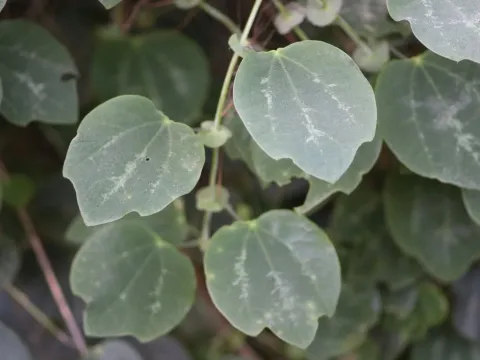
Passiflora membranacea
Passiflora membranacea
Passiflora membranacea is a fascinating climbing plant belonging to the Passifloraceae family, known for its distinct leaf structure and botanical characteristics.
What the section contains
Passiflora membranacea
Propagation is typically initiated through seeds, which require specific temperature conditions between 22°C and 25°C to achieve a high germination rate in a controlled nursery setting.
The use of light, well-draining germination substrates is essential to support the sensitive root development of seedlings during the first few weeks after emergence.
Transplanting should occur once the plant has developed a strong root ball, typically after the danger of frost has passed, ensuring sufficient space for future growth.
Young vines benefit from early support placement, allowing them to cling naturally and reducing stress on the developing stems during the vegetative phase.
This species thrives in tropical or subtropical environments, requiring high levels of atmospheric humidity and protection from extreme or gusty wind conditions.
Soil quality is paramount; the plant prefers well-aerated, fertile loam with an optimal pH balance to facilitate healthy nutrient uptake and rapid vertical expansion.
Adequate spacing is crucial to prevent competition for light and air circulation, which are vital for maintaining the health of the dense, membranous foliage.
Watering schedules must be carefully managed to ensure that the soil remains consistently moist without becoming waterlogged, which can trigger fungal growth.
High light intensity is necessary for photosynthesis, though excessive midday heat may require the implementation of shade cloth to prevent tissue damage.
While often grown for its aesthetic and botanical appeal, the productivity of this plant in agricultural settings depends heavily on the maintenance of optimal environmental parameters.
Proper nutritional management, specifically through balanced nitrogen-phosphorus-potassium applications, significantly enhances biomass production in young plants.
Optimal vertical support structures allow the vine to reach its full physiological potential, thereby increasing the density of the foliage and overall vigor.
Regular pruning is an essential practice that diverts energy from vegetative sprawl to stronger main stems, ultimately improving the structural integrity of the plant.
Monitoring the growth phases allows growers to time nutrient applications effectively, ensuring consistent development throughout the entire vegetative season.
The primary pests affecting Passiflora membranacea include aphids and spider mites, which can cause significant damage if populations are not controlled early.
Fungal pathogens such as Fusarium pose a threat to the root system, particularly in greenhouses where humidity levels might be poorly managed.
Integrated pest management (IPM) strategies, including the use of biological predators and sanitation, are recommended to maintain plant health without harsh chemicals.
Proper air ventilation and spacing are the most effective preventive measures against the spread of airborne pathogens that cause leaf spotting.
Routine inspections of the foliage and root zones are necessary to detect any signs of stress or disease before they spread across the cultivation site.