
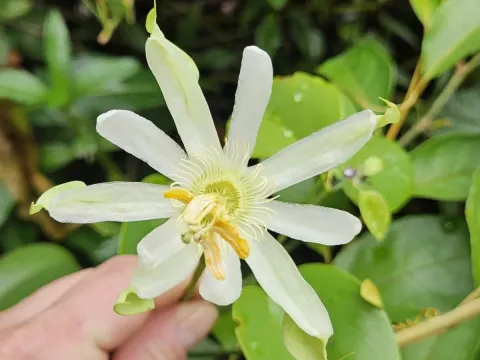
Passiflora mucronata
Passiflora mucronata
Passiflora mucronata is a perennial tropical vine belonging to the Passifloraceae family. It is native to the coastal regions of Brazil, where it thrives in humid environments and sandy soils, showcasing excellent adaptation to maritime climates.
What the section contains
Passiflora mucronata
The crop requires a warm climate with consistent temperatures throughout the growing season. It prefers bright, indirect sunlight, and while it can tolerate some direct exposure, it often benefits from light shading during the hottest parts of the day to maintain foliage health.
Soil requirements focus on high drainage capacity and fertility. The plant does not tolerate waterlogging, which is a critical factor in both greenhouse and outdoor cultivation; therefore, the substrate should be light, airy, and rich in organic matter.
Agricultural management involves providing sturdy vertical support systems, as the plant is a vigorous climber. Irrigation must be consistent, ensuring that the soil remains moist but not saturated, which is essential for healthy development and profuse flowering.
The economic value of this species lies in its ornamental use and its potential in niche fruit production. Its unique botanical characteristics make it a subject of interest for genetic research aimed at improving related commercial passion fruit varieties.
The primary threats to this species are fungal pathogens, specifically root rot, which occurs in poorly drained soils. Implementing strict water management and soil sterilization techniques are standard practices to prevent these infections.
Pests such as spider mites, aphids, and mealybugs can pose a significant challenge, especially in low-humidity conditions. Integrated pest management, including regular scouting and the use of targeted biological controls, is essential for maintaining crop vigor.