
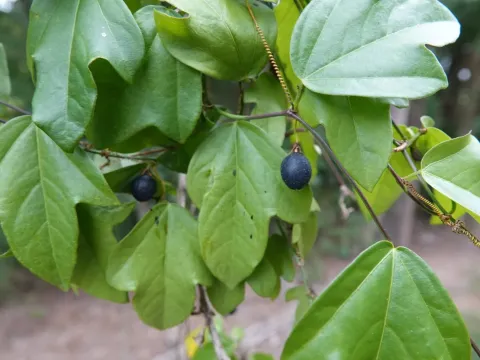
Passiflora pallida
Passiflora pallida
Passiflora pallida is a perennial climbing vine belonging to the Passifloraceae family. It is recognized for its slender, vigorous stems and unique leaf structure, making it a specialized ornamental species often used in tropical gardening and greenhouse collections.
What the section contains
Passiflora pallida
Originating from the Caribbean region and parts of Central America, this plant thrives in warm, humid climates. Its natural habitat is typically found in forest margins where dappled sunlight provides the energy required for rapid vegetative development.
To cultivate Passiflora pallida successfully, greenhouse temperatures should be strictly maintained between 20°C and 28°C. The species is highly sensitive to frost; therefore, any drop in temperature below 10°C can cause significant physiological stress to the plant.
Soil quality is paramount, requiring a well-draining, nutrient-rich substrate. A mixture consisting of peat, sand, and organic loam is generally recommended to ensure proper root aeration and moisture retention without the risk of waterlogging.
The primary economic use of this plant is in the horticultural industry, particularly for ornamental landscaping in subtropical climates. Its aesthetic value is derived from its climbing habit and the distinct botanical interest of its floral morphology.
Spider mites are the most common pest, especially in dry greenhouse conditions. They feed on the sap of the leaves, causing chlorosis and eventual defoliation, which can be mitigated by frequent misting and maintaining appropriate humidity levels.
Powdery mildew represents a major fungal threat, particularly when airflow is restricted. Implementing regular ventilation protocols is essential to prevent the spread of fungal spores across the foliage of the vines.
Root rot is frequently associated with poor drainage systems. Agronomists should ensure that containers have adequate drainage holes and that the irrigation schedule is adjusted according to the plant's seasonal growth cycle.
Aphids can cause significant damage by feeding on young, tender shoots and transmitting plant viruses. Monitoring the plants for early infestations is necessary to prevent structural damage and loss of plant health.
Nematodes are another latent threat in soil-based cultivation, which can lead to stunted growth. Using sterilized commercial potting mixes significantly reduces the risk of soil-borne pathogens and pests affecting the crop's development.