
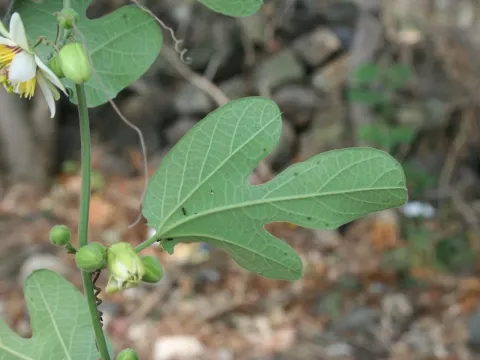
Passiflora holosericea
Passiflora holosericea
Passiflora holosericea is a botanical species belonging to the family Passifloraceae. Native to Central America, particularly regions of Mexico and Guatemala, this vine is highly regarded by collectors for its unique morphological features, including its characteristic velvety, pubescent foliage.
What the section contains
Passiflora holosericea
The plant demonstrates vigorous growth habits as a woody vine, utilizing tendrils to climb structures. Its flowers are intricate and display the signature complex structure characteristic of the genus, which plays a crucial role in its specialized pollination strategies in its natural habitat.
Cultivation requires a tropical environment with temperatures consistently between 22 and 28 degrees Celsius. As a frost-sensitive plant, it must be protected from cold drafts and freezing temperatures, typically necessitating greenhouse cultivation in temperate climates.
Soil requirements focus on high-quality drainage and organic content. A well-aerated mix containing perlite or volcanic rock is recommended to ensure that root respiration is not hindered, which is vital for preventing the physiological stress associated with waterlogged conditions.
Economically, this species is utilized primarily in ornamental horticulture and botanical research. Its rare status and aesthetic appeal make it a prized specimen for conservatories, providing both structural interest and biological diversity within specialized plant collections.
Common pests include spider mites and mealybugs, which thrive in indoor environments with limited airflow. Regular inspection of the underside of leaves and high humidity levels are essential management practices to prevent significant infestation outbreaks.
Pathogenic threats include fungal infections such as root rot and leaf spot, often exacerbated by poor ventilation or excess soil moisture. Implementing a balanced irrigation schedule and ensuring proper air circulation are the most effective preventative measures against these threats.