
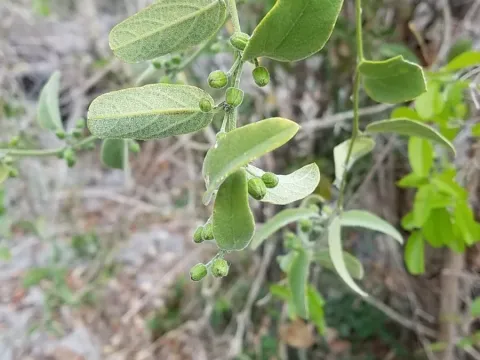
Passiflora multiflora
Passiflora multiflora
Passiflora multiflora is a vigorous, perennial woody vine belonging to the Passifloraceae family. Native to the tropical regions of Central and South America, it is distinguished by its numerous small flowers compared to other species in the genus.
What the section contains
Passiflora multiflora
The culture thrives in warm, humid tropical environments. It requires constant temperatures without the risk of frost, as the plant is highly sensitive to cold and will suffer immediate tissue damage if exposed to freezing conditions.
For optimal growth, the species requires well-drained, fertile soil enriched with organic matter. Proper soil structure is essential to prevent waterlogging, which often leads to root decay and overall plant decline.
Exposure to bright, filtered light is necessary for the plant to maintain its vigor and promote flowering. Direct sunlight during the peak of the day should be avoided in very hot climates to prevent leaf scorching.
The primary use of Passiflora multiflora is in ornamental horticulture. Its climbing habit makes it an excellent candidate for covering trellises, fences, and walls in tropical gardens, providing a dense green screen with delicate floral interest.
Common agricultural pests affecting this species include spider mites, whiteflies, and mealybugs. These organisms thrive in dry environments and can quickly infest the foliage, leading to yellowing and stunted growth.
The plant is susceptible to various fungal pathogens, such as root rot caused by Phytophthora species and leaf spot diseases resulting from poor air circulation and high moisture levels around the foliage.