
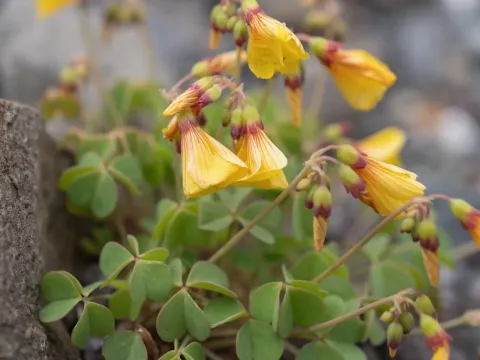
Oxalis valdiviensis
Oxalis valdiviensis
Sowing Oxalis valdiviensis is best performed in the spring season once the threat of frost has completely passed and soil temperatures have sufficiently risen.
What the section contains
Oxalis valdiviensis
Seeds should be lightly covered with a high-quality, porous potting mix as they require adequate light to germinate successfully without burying them too deeply.
Maintaining consistent moisture levels is vital during the germination phase, which usually takes place within two to three weeks under optimal conditions.
For greenhouse cultivation, starting seeds in trays allows for better control over the environment, leading to stronger seedlings before transplanting into the field.
Ensuring proper spacing between plants is important to prevent overcrowding, which can otherwise impede airflow and negatively impact the health of the young plants.
Oxalis valdiviensis is a member of the Oxalidaceae family, native to Chile, and thrives in sunny locations with well-drained, fertile soil compositions.
The plant requires moderate water supply, as the root system is sensitive to waterlogging, which often leads to severe physiological stress and root rot.
Positioning in full sun or light partial shade is essential to promote continuous flowering and to maintain the vibrant yellow coloration of the petals.
The culture prefers temperate climates and should be protected from harsh, freezing conditions, as it is generally grown as an annual in cooler geographic regions.
Regular fertilization with balanced liquid nutrients during the active growth phase provides the necessary energy for the plant to produce its characteristic foliage.
The primary threat to Oxalis valdiviensis health is root rot, which typically develops in poorly drained soils or environments with insufficient air circulation.
Pests such as aphids and spider mites are common concerns, often targeting the plant when humidity is low and temperatures are high during the summer months.
Whiteflies can also cause significant damage in indoor or greenhouse settings, potentially leading to leaf yellowing and a decline in the plant's overall vigor.
Effective management involves monitoring foliage for signs of infestation and applying appropriate organic or chemical insecticides as soon as pests are detected.
Keeping the area clean of debris and removing infected plant tissue immediately helps to maintain a healthy environment and prevents the spread of pathogens.