
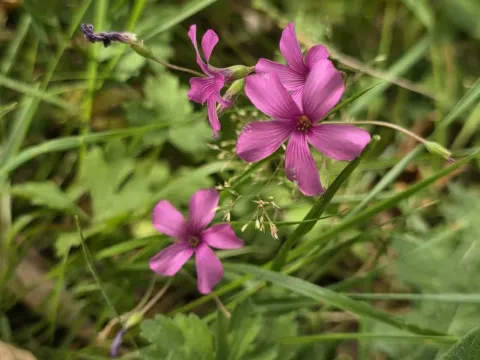
Red wood sorrel
Oxalis rubra
Red wood sorrel (Oxalis rubra) is a herbaceous perennial plant belonging to the Oxalidaceae family. It is recognized for its distinctive reddish foliage and delicate pink flowers, which bloom profusely under favorable conditions.
What the section contains
Red wood sorrel
Native to South America, particularly Brazil, this plant has adapted to temperate environments where it is often grown in greenhouses or as a container crop. It serves as a beautiful accent plant in managed landscapes.
The crop requires well-drained, fertile soil with a slightly acidic to neutral pH level. Proper drainage is critical to ensure that the delicate root system remains healthy and free from oxygen deprivation.
Light requirements for Oxalis rubra involve bright, indirect sunlight. While it can handle some filtered light, excessive direct sun can scorch its colorful leaves, leading to tissue damage and reduced vigor.
Agricultural management includes a consistent watering schedule during the growing season, combined with regular fertilization using balanced liquid fertilizers. During the dormant stage, irrigation should be strictly limited to prevent root rot.
Red wood sorrel is susceptible to common greenhouse pests, with spider mites being the most problematic. These mites thrive in dry conditions and can cause significant damage to the leaf structure within a short period.
Fungal issues such as gray mold (Botrytis) often occur when air circulation is poor or humidity levels are too high. To mitigate this risk, it is essential to ensure adequate spacing between individual plants.
Root rot is a constant threat if irrigation cycles are not strictly managed. Avoiding waterlogging in the growing medium is the primary method of preventing the spread of pathogenic soil fungi.
Monitoring for whiteflies and aphids is also necessary, especially during the spring growth phase. Early detection allows for the application of targeted biological or chemical treatments to maintain a healthy crop.
Sanitation practices in the growing environment are crucial. Removing fallen leaves and maintaining clean equipment help prevent the establishment of persistent diseases, ensuring the long-term success of the cultivation.